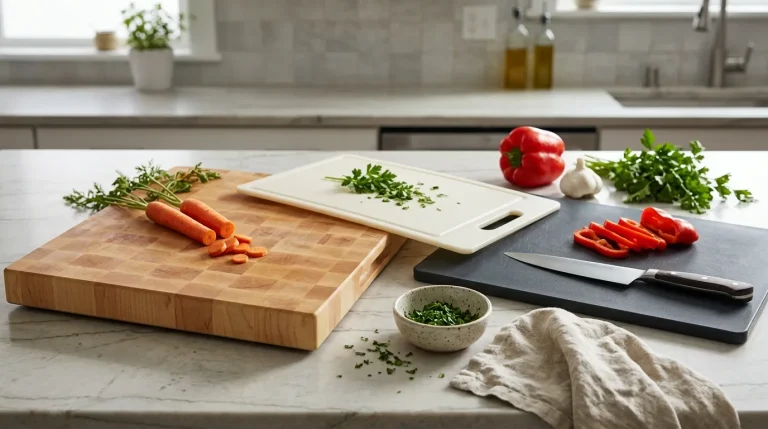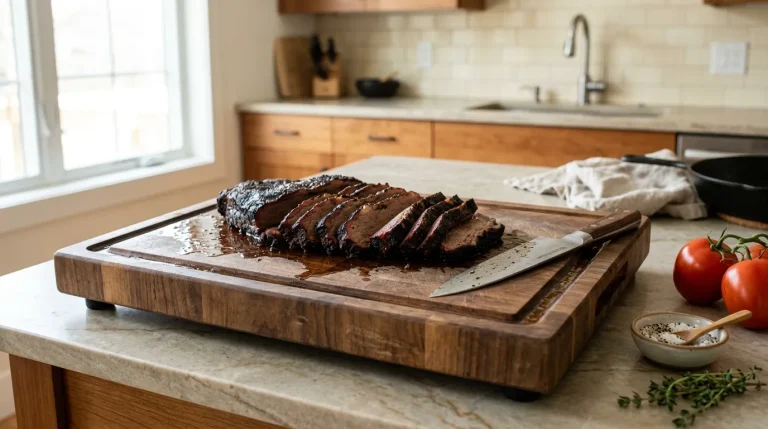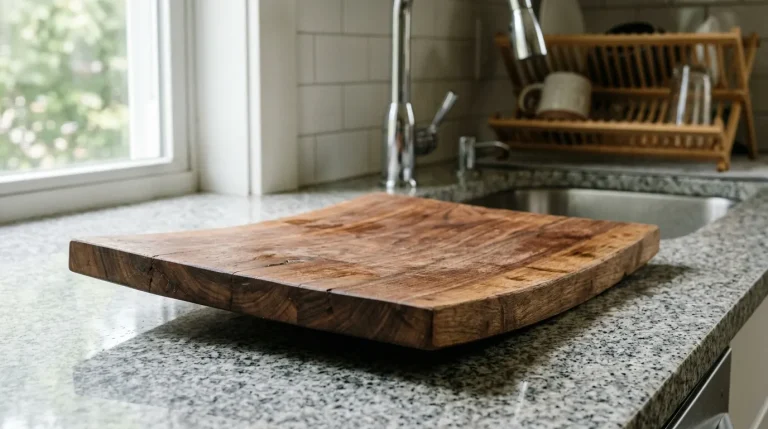
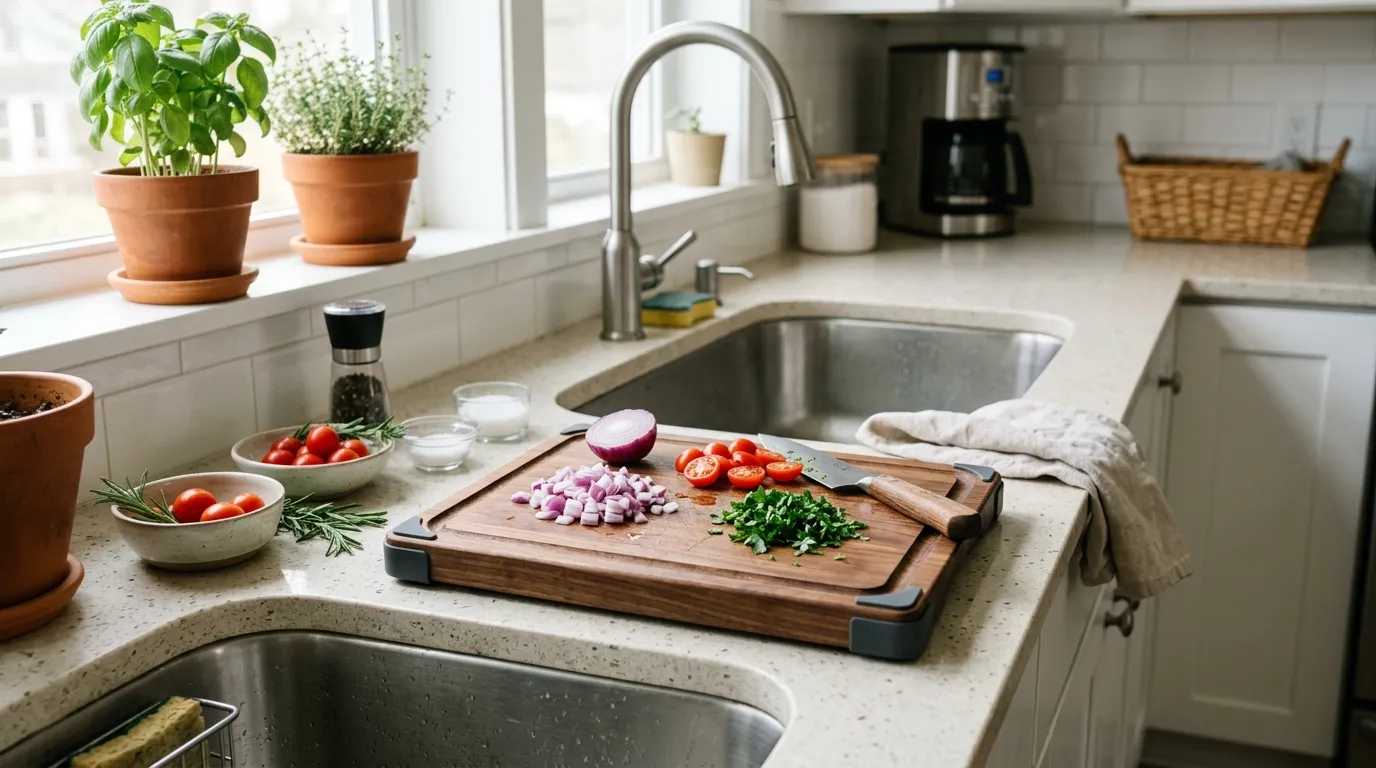
The best cutting board for small kitchens is a compact, non-slip, reversible board with smart storage.
Small spaces call for smart tools. As a cooking coach who works in tiny city kitchens, I know how much a single board can change your prep flow. In this guide, I break down the best cutting board for small kitchens, what to look for, and which features are worth it. I’ll share real tests, clear specs, and simple tips you can use today.
What Makes the Best Cutting Board for Small kitchens
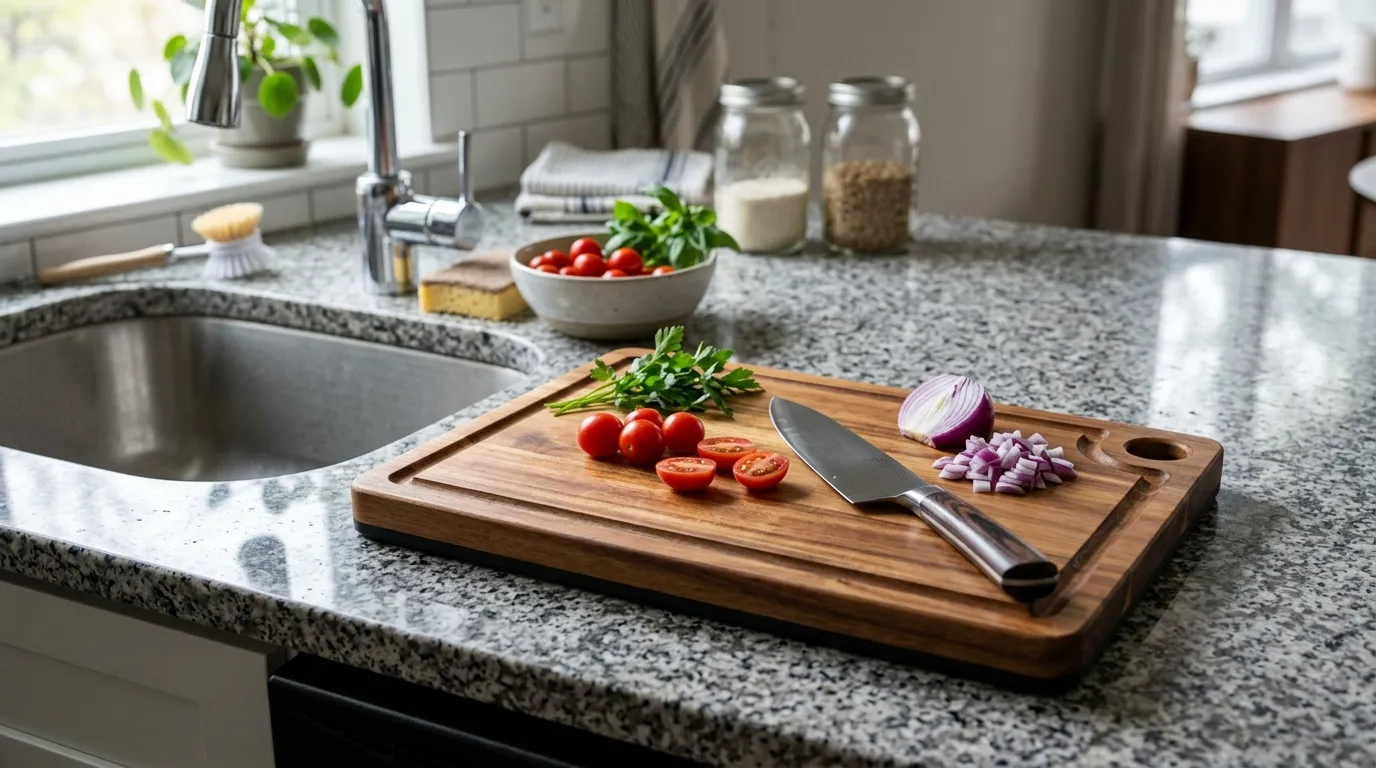
The best cutting board for small kitchens does three big jobs. It protects your knife. It stays put. It saves space. Look for a board that is light to move, easy to clean, and safe for both meat and produce.
Key features to check:
- Size that fits your sink and counter
- Non-slip feet or a grippy surface
- Reversible use to cut raw and cooked foods on separate sides
- A juice groove for wet items like tomatoes or steak
- Thin profile so it stores upright or in a drawer
- A handle or hang hole to stash it on a hook
Food safety tips matter in small spaces. A reversible or color-coded set reduces cross-contamination. Plastic and some composite boards can go in the dishwasher, which helps sanitize after raw meat. Wood needs hand-washing and oiling but is gentle on knives and quiet in use.
The best cutting board for small kitchens should feel stable but not bulky. Aim for a weight you can lift with one hand. If it wobbles or slides, skip it.
Materials Compared for Small Spaces
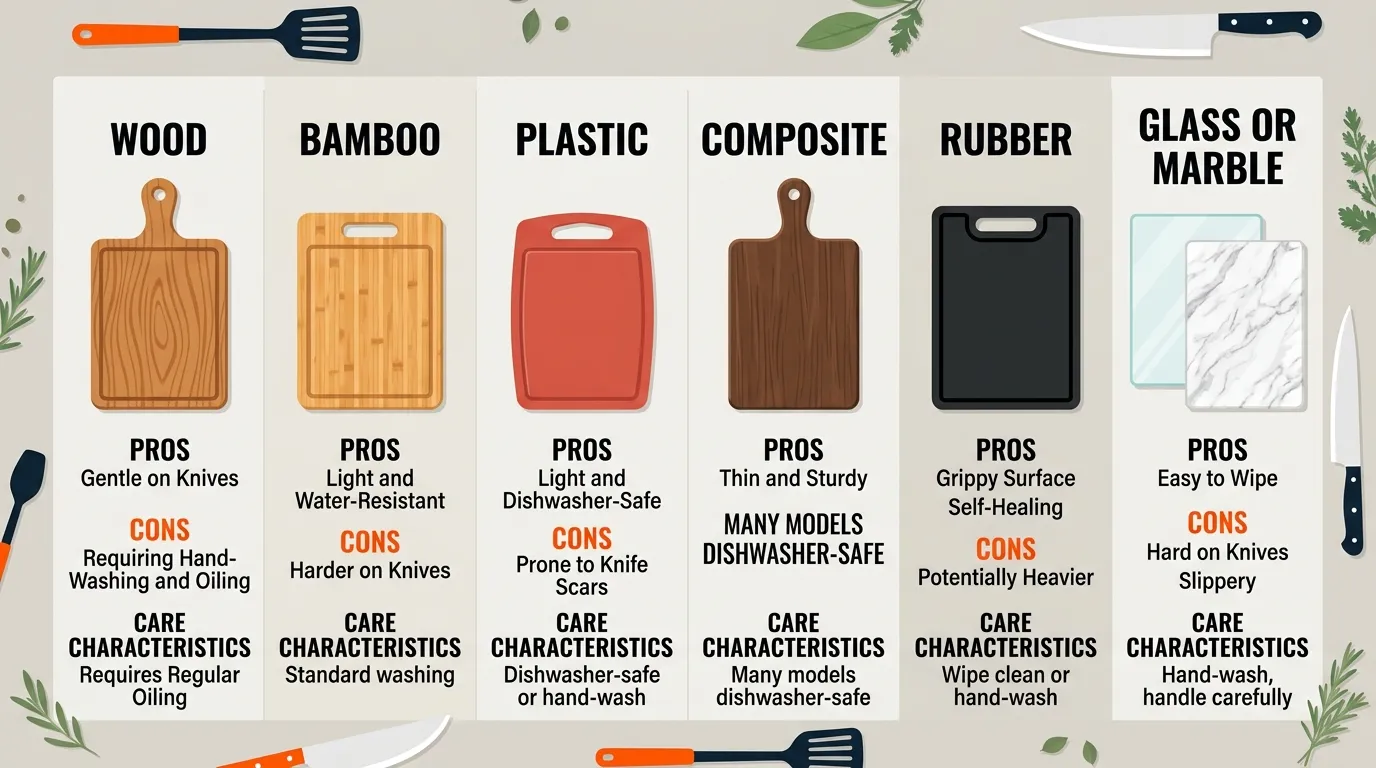
Choosing the right material is the heart of finding the best cutting board for small kitchens. Each option has trade-offs for care, knife health, and space.
Wood
- Pros: Gentle on knives, looks warm, quiet, great for bread and produce
- Cons: Not dishwasher-safe, needs oil, heavier
- Best pick: Edge-grain maple or beech around 0.75 inches thick
Bamboo
- Pros: Eco-friendly, light, budget-friendly, resists water
- Cons: Harder on knives than wood, may chip over time
- Best pick: Thin board with a small juice groove
Plastic (HDPE or polypropylene)
- Pros: Dishwasher-safe, light, color-coded sets, budget-friendly
- Cons: Shows knife scars, needs replacing when very worn
- Best pick: Non-slip, reversible, medium firmness
Composite (paper-based like Richlite)
- Pros: Thin yet sturdy, heat-resistant, dishwasher-safe in many cases
- Cons: Pricier, can be firm on edges
- Best pick: 12 by 8 or 14 by 10, slim profile
Rubber
- Pros: Self-healing surface, great grip, pro-kitchen favorite
- Cons: Heavier, may need hand-wash, can hold odors if not cleaned well
- Best pick: Thin rubber with anti-slip built-in
Glass or marble
- Pros: Easy to wipe, sleek look
- Cons: Dulls knives fast, slippery, noisy
- Verdict: Not ideal for the best cutting board for small kitchens
From hands-on testing, a thin composite or a good plastic board offers the best mix of space savings and hygiene. For wood fans, a small edge-grain board is lovely if you can hand-wash and oil it.
Size, Shape, and Space-Saving Design
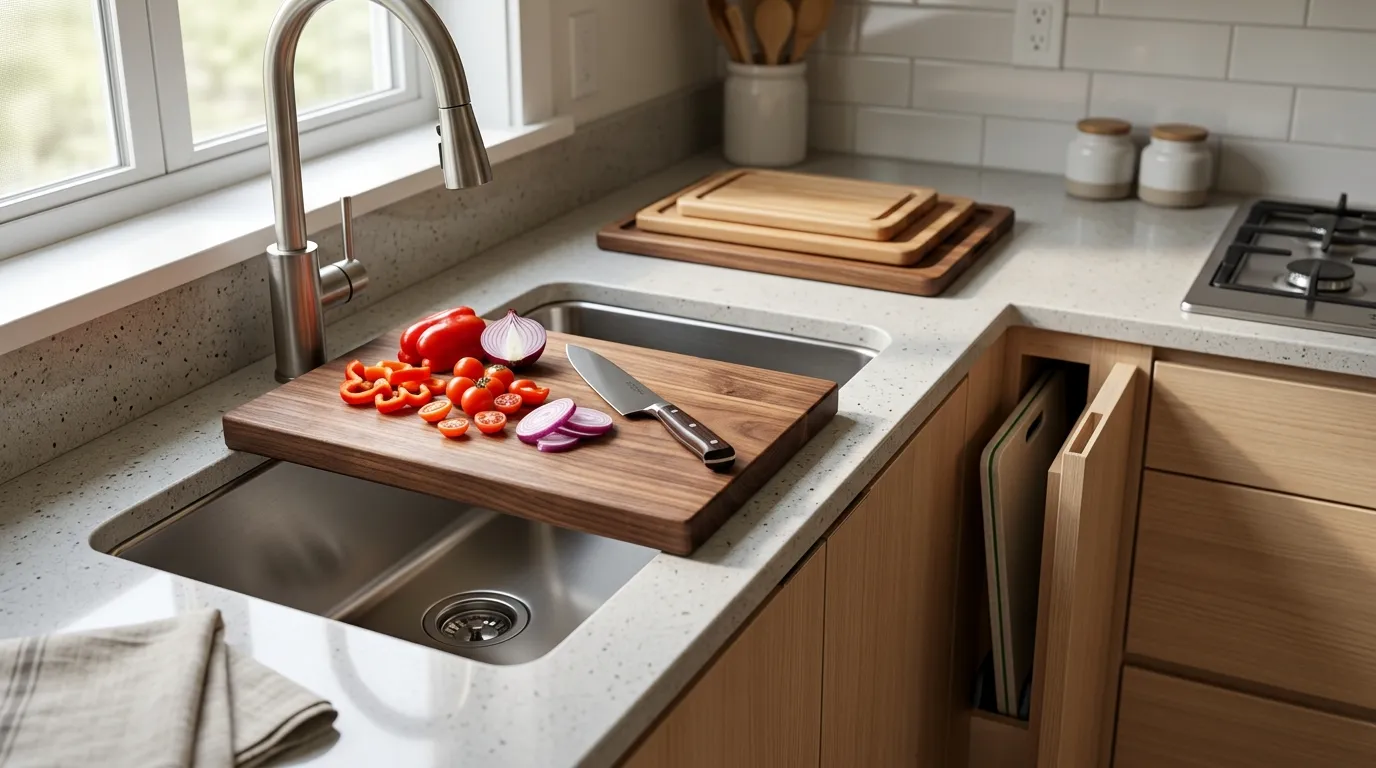
To pick the best cutting board for small kitchens, match the board to your real prep needs. You need enough room for a chef’s knife to work safely, but not a slab that hogs the counter.
Ideal sizes for small kitchens:
- Everyday prep: 12 by 8 inches
- Meal prep for two: 14 by 10 inches
- Bread or roast carve: 16 by 12 inches if you have room
Smart shapes and designs:
- Over-the-sink boards extend work space and drain mess
- Boards with hang holes save drawer space
- Thin profiles stand in a dish rack or a narrow slot
- Nesting sets stack flat and separate raw and cooked foods
- Corner boards with a lip hug the counter edge for stability
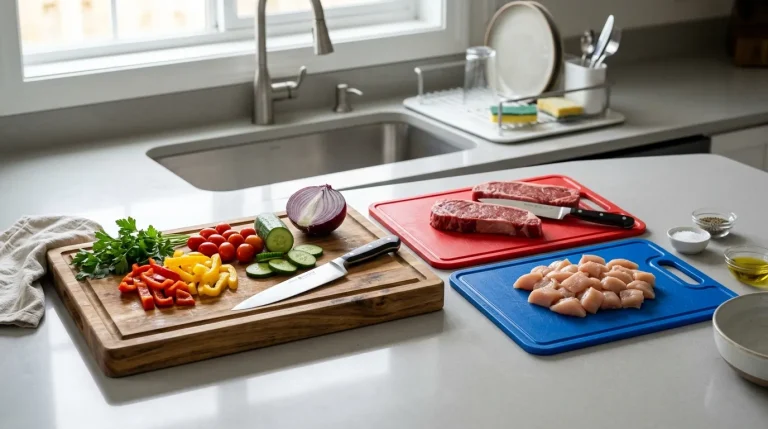
I often coach clients to keep two boards. One small, non-slip plastic for raw meat. One mid-size wood or composite for produce and bread. Together, they beat one bulky board and cut cleanup time.
Smart Features That Actually Help in Tiny Kitchens
Some features sound cool but add clutter. Here is what helps with the best cutting board for small kitchens.
- Non-slip feet or full-grip surface to stop movement on wet counters
- Reversible design to switch between proteins and produce
- Juice groove on one side to catch tomato or steak juice
- Handle cut-out so you can hang it after washing
- Thin, rigid core that will not warp in heat or water
- Measurement marks if you cook by the book
- Collapsible bin or clip-on trays for scraps to keep your sink clear
Features I skip in small spaces:
- Thick end-grain blocks that weigh a lot
- Fancy marble boards that wreck knives
- Built-in knives or gadgets that break or add bulk
Care, Cleaning, and Food Safety
Food safety is a big deal in tight kitchens. The best cutting board for small kitchens should be easy to sanitize and quick to dry.
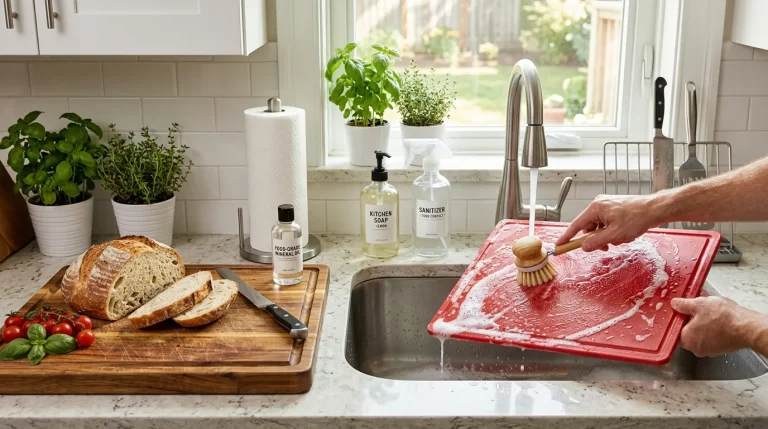
- For plastic and many composites, run them in the dishwasher after raw meat
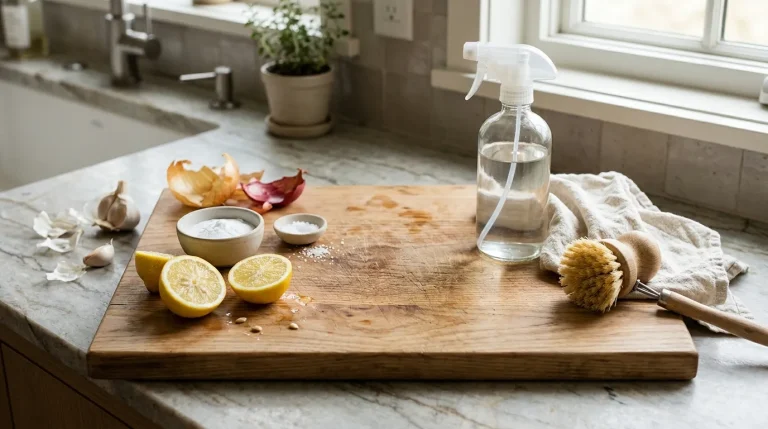
- For wood and bamboo, wash by hand with warm, soapy water and dry upright
- Oil wood with mineral oil every few weeks to prevent cracks
- Use separate sides or color-coded boards for raw and ready-to-eat foods
- Replace plastic boards once cuts are deep and hard to clean
- Disinfect after raw meat with a dishwasher cycle or a mild bleach solution when safe for the material
Knife care matters too. Hard boards dull blades. Soft, grippy boards help you cut faster and safer. This is why the best cutting board for small kitchens is often wood, rubber, or good plastic rather than glass.
My Top Picks and Tested Recommendations

Here are proven setups based on size, care, and value. I mix real-world testing with pro-kitchen habits.
Best overall for most small kitchens
- Material: Composite or thin rubber
- Size: 14 by 10 inches, 0.25 to 0.4 inches thick
- Why: Slim, stable, dishwasher-safe in many models, long-lasting
Best budget and beginner
- Material: Reversible HDPE plastic with non-slip edges
- Size: 12 by 8 inches
- Why: Light, cheap, easy to sanitize, safe for raw meat days
Best space-saving hero
- Design: Over-the-sink board with a small, removable strainer
- Size: 16 to 18 inches long, 8 to 10 inches wide
- Why: Adds real prep area without adding counter clutter
Best for knife lovers
- Material: Edge-grain maple or beech
- Size: 14 by 10 inches, about 0.75 inches thick
- Why: Gentle on knives, quiet cuts, looks great on a small counter
Best tiny studio setup
- Setup: Two small boards
- Board A: 10 by 7 inch plastic for proteins
- Board B: 12 by 8 inch wood or composite for produce
- Why: Switch fast, stay safe, and store both upright
Every one of these fits the goal behind the best cutting board for small kitchens. They store clean, work fast, and keep you safe.
Budget and Sustainability
You do not need a pricey block to win in a small kitchen. The best cutting board for small kitchens can be affordable and green.
What to expect on price:
- Entry plastic: under 20 dollars
- Good bamboo or small composite: 20 to 50 dollars
- Premium composite or rubber: 40 to 90 dollars
- Edge-grain wood: 40 to 100 dollars depending on size
Sustainability notes:
- Bamboo grows fast and is a solid eco pick
- A durable composite or rubber board that lasts for years cuts waste
- Oil wood boards and they will outlast cheaper options
- Replace worn plastic boards and recycle if local programs allow
I choose one durable daily driver plus a small, cheap plastic for raw meat. That mix gives top value and easy care.
Mistakes to Avoid and Pro Tips from My Kitchen
I have cooked in tiny rentals, galley kitchens, and pop-up demos. These lessons come from real slips and fixes.
Common mistakes
- Buying a thick, heavy board that blocks a whole counter
- Skipping non-slip features, then chasing the board mid-chop
- Using one board for meat and salad and hoping for the best
- Washing wood in the dishwasher and watching it warp
Pro tips
- Size your board to your sink so you can rinse and dry fast
- Keep a damp towel under any board that slides
- Store boards upright near the sink for quick grabs
- Oil wood at night so it is dry by morning
- Use a bench scraper to move chopped food, not the knife edge
These simple habits turn the best cutting board for small kitchens into a fast, safe station.
Buying Checklist
Use this quick spec sheet in the store or online. It stacks the deck in your favor and helps you find the best cutting board for small kitchens.
- Size fits your sink and at least a 6 to 8 inch knife stroke
- Non-slip feet or grippy surface
- Reversible sides or a two-board set
- Dishwasher-safe if you pick plastic or some composites
- Thin profile under 0.5 inches for easy storage
- Juice groove on one side if you cut lots of fruit or meat
- Handle or hang hole to save drawer space
- Material that is gentle on knives and simple to clean
If a board hits most of these points, it is likely the best cutting board for small kitchens for you.
Frequently Asked Questions
What size cutting board is best for a small kitchen?
Aim for 12 by 8 inches for daily prep. If you have a bit more space, 14 by 10 inches is a sweet spot.
Which material is safest for raw meat in a small kitchen?
Dishwasher-safe plastic or some composites are safest. They sanitize well and reduce cross-contamination.
How do I keep a cutting board from sliding on a small counter?
Choose boards with non-slip feet or a grippy rubber surface. You can also place a damp paper towel under the board.
Can I put a wood cutting board in the dishwasher?
No. Hand-wash wood, dry it upright, and oil it. Dishwashers cause warping and cracks.
Are over-the-sink cutting boards worth it?
Yes, if your sink is stable and the board fits well. They extend prep space and keep mess off the counter.
How often should I replace a plastic cutting board?
Replace it when grooves are deep and hard to clean. If it stays stained or smells after washing, it is time to swap.
Do I need more than one cutting board in a small kitchen?
It helps. Use one for raw meat and one for produce to stay safe and work faster.
Conclusion
The best cutting board for small kitchens blends smart size, safe surfaces, and easy storage. Pick a thin, non-slip, reversible board. Match the size to your sink and knife. Use two boards if you can, and keep one dishwasher-safe for meat days. Small choices add up to big speed and less stress.
Ready to upgrade your prep? Use the checklist above, choose your size and material, and make the swap this week. Share your pick or questions in the comments so we can help you dial in the perfect setup.