
Clean right away, use gentle tools, dry fast, and match care to pan.
If you want cookware that cooks better every day and lasts for years, you are in the right place. I test pots and pans for a living and cook at home every night. This guide on how to maintain pots and pans daily gives you clear, fast steps that work in real kitchens, with real messes. Read on to cook smarter, clean easier, and keep your gear in top form.
Why Daily Care Matters
How to Maintain Pots and Pans Daily is about small actions with big results. Quick care stops stains, warps, and rust. It saves money, time, and stress. Your food will also brown better and release with ease.
Daily care also protects nonstick and helps stainless shine. It keeps cast iron smooth and ready. In a test kitchen, this kind of care cuts deep cleans by more than half. Clean pans heat even and respond fast, which makes cooking more fun.
The Daily Routine: A Simple, Fast System
How to Maintain Pots and Pans Daily starts with a short, repeatable plan. Do this right after you plate the food, while the pan is still warm.
- Cool for one to two minutes. Never shock a hot pan with cold water.
- Wipe out grease with a paper towel.
- Add warm water and a drop of soap. Use a soft sponge or cloth.
- Loosen stuck bits with a nylon scraper. For stainless, a non-scratch pad is fine.
- Rinse with hot water. Dry at once with a towel.
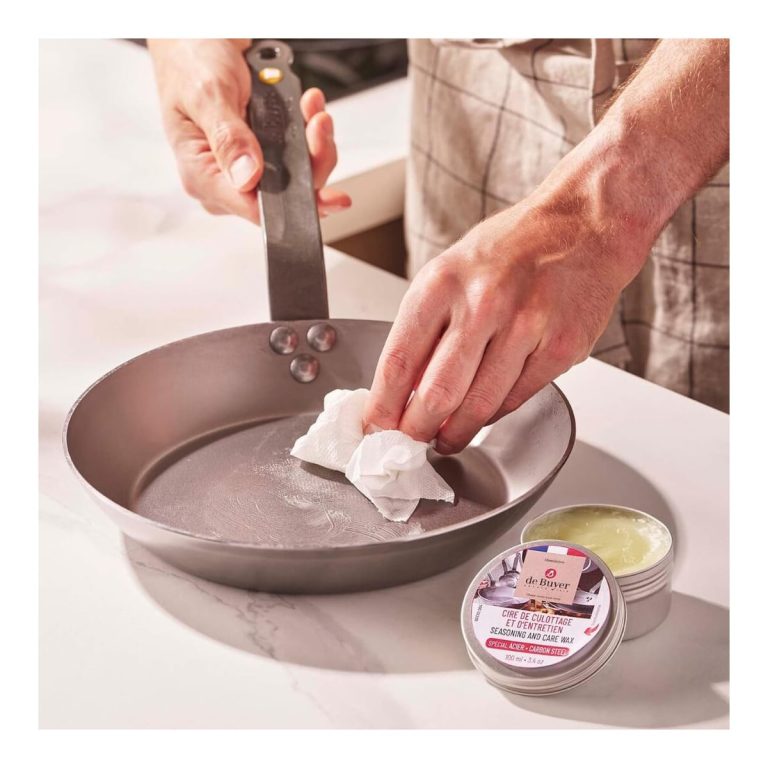
- For cast iron or carbon steel, warm on low heat to dry. Add a tiny film of oil.
If you are in a rush, fill the pan with warm water and a little soap. Let it sit while you eat. Food will lift with one pass.
Can I let pans soak overnight?
Short soaks are fine for most stainless and enameled pans. Long soaks can dull aluminum and invite rust on cast iron and carbon steel. If you need time, set a timer for 20 to 30 minutes, not all night.
Know Your Cookware: Daily Care by Material
How to Maintain Pots and Pans Daily depends on what the pan is made of. Each material needs its own touch.
Stainless steel
- Use medium heat for most tasks. High heat can cause rainbow tints.
- Clean with soap and a soft pad. For tint, use a gentle cleanser with oxalic acid.
- Dry fast to avoid spots. If spots form, rub with a vinegar rinse, then rinse with water.
Cast iron
- Wipe, rinse fast, and dry on heat. Water is not the enemy if you dry at once.
- Rub in a thin layer of oil while warm. Wipe off the extra until it looks dry.
- Avoid soap daily if your seasoning is new. A tiny bit is okay on a well-seasoned pan.
Carbon steel
- Treat like cast iron. It also needs a thin oil film after use.
- Use medium heat to cook and to dry. High heat can burn oil and get sticky.
- If food sticks, do a salt scrub while warm. Rinse, dry, and oil.
Nonstick
- Keep heat at low to medium. High heat shortens the coating’s life.
- Wash by hand with a soft sponge. Skip the dishwasher for a longer life.
- Avoid metal tools and aerosol sprays. Use silicone, wood, or nylon tools.
Enameled cast iron
- Soak short-term with warm, soapy water. Use soft pads only.
- Avoid metal scouring. Chips start at rough scrubs and knocks.
- Dry well, and store with the lid off to avoid trapped moisture.
Anodized aluminum
- Hand wash with mild soap. Avoid chlorine bleach and harsh alkaline cleaners.
- Dry at once to prevent marks. Use non-scratch pads.
Copper and copper-core
- Clean after each use with soap and a soft sponge.
- To polish, use a copper-safe polish or a lemon-salt paste, then rinse.
- Dry right away. Water spots are very visible on copper.
Is dish soap okay for cast iron?
Yes, a small amount is fine on a well-seasoned pan. The key is to dry with heat and re-oil. Heavy soap or long soaks can strip weak seasoning.
Smart Cooking Habits That Reduce Cleaning
How to Maintain Pots and Pans Daily starts at the stove, not at the sink. Good cooking habits mean easy cleanup.
- Preheat for one to three minutes. Then add oil, then food. This helps food release.
- Dry proteins well. Pat dry to get a sear and fewer stuck bits.
- Deglaze while warm. A splash of water, stock, or wine lifts fond fast.
- Avoid aerosol spray on nonstick. It builds a gummy film. Use poured oil or butter.
- Stir with the right tools. Wood, silicone, or nylon prevent scratches.
In restaurants, we call this cleaning as you cook. A fast deglaze not only makes a sauce but also saves you a scrub later.
Stuck-On Food and Stain Fixes
How to Maintain Pots and Pans Daily also means knowing fast, safe fixes. Use the lightest tool that works.
For stainless
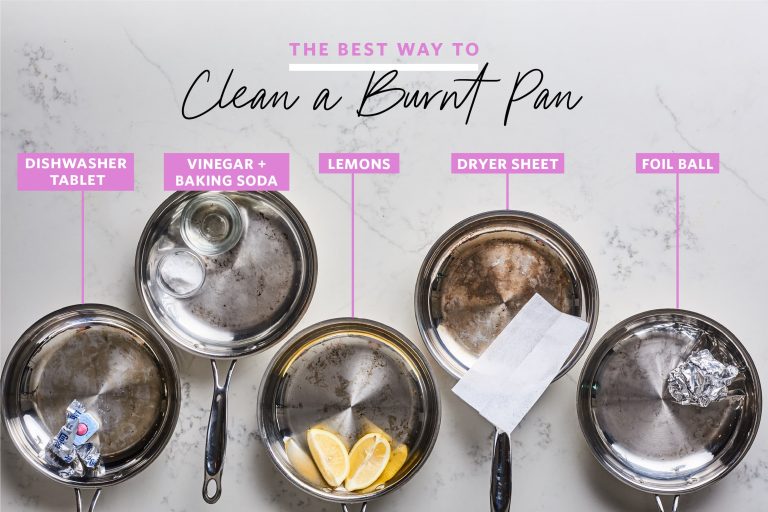
- Simmer a bit of water for two to three minutes. Use a nylon scraper.
- For rainbow tints, use a cleanser with oxalic acid. Rinse well.
- For brown stains, make a baking soda paste. Rub gently and rinse.
For cast iron and carbon steel
- Add a tablespoon of coarse salt. Scrub with a paper towel while warm.
- If really stuck, simmer water for two minutes, scrape, dry, and re-oil.
- If rust appears, scrub with a non-scratch pad, dry, and season thinly.
For nonstick
* Soak in warm, soapy water for 15 minutes. Use a soft sponge.
- For residue from spray, simmer a mix of water and a little vinegar. Rinse well.
For enameled pans
- Use warm, soapy water and a soft pad.
- For dark lines, use a non-bleach, non-scratch cleaner made for enamel.
Should I use steel wool?
Use steel wool only on bare stainless when other methods fail. Never use it on nonstick, enamel, cast iron seasoning, or anodized aluminum. It will scratch or strip coatings.
Drying, Seasoning, and Storage
How to Maintain Pots and Pans Daily ends with how you dry and store. Wet pans spot, rust, and smell.
- Towel dry right after the rinse.
- For cast iron and carbon steel, heat on low until bone dry. Rub a drop of oil. Wipe dry with a clean towel.
- Place paper towels or pan protectors between stacked pans.
- Store lids off or with a spacer to let air flow. Moisture trapped under lids can rust rivets and rims.
At home, I hang pans on a rack. It stops scratches and keeps me honest about drying. It also looks great and saves space.
Tools and Cleaners: What to Use and What to Avoid
How to Maintain Pots and Pans Daily calls for the right tools. The tool you pick can add years to your gear.
Use these
- Soft sponge or cellulose cloth for daily wash.
- Nylon scraper for stuck bits.
- Non-scratch scrub pad for stainless and tough spots.
- Wood or silicone tools for stirring and flipping.
- pH-neutral dish soap and warm water.
- Microfiber towels for fast drying.
Avoid these
- Metal utensils on nonstick.
- Steel wool on coated or seasoned surfaces.
- Aerosol cooking sprays on nonstick.
- Chlorine bleach on stainless and aluminum.
- Harsh oven cleaners on any cookware.
- Abrasive powders on enamel or nonstick.
Is the dishwasher okay?
Many items say dishwasher safe, but hand washing is gentler. High heat and harsh detergents can fade anodized finishes and weaken nonstick over time. If you must, skip heated dry and remove at once to towel dry.
Time-Saving and Eco Tips
How to Maintain Pots and Pans Daily can be fast and green. Small tweaks save water and effort.
- Use the soak-smart rule. Ten minutes max in warm, soapy water, then a quick wipe.
- Clean while the pan is warm. Heat does half the work.
- Keep a scraper by the sink. One tool saves water and soap.
- Batch your wash. Wash light-soil pans first, greasy ones last, using one sink of water.
- Try simple cleaners. Baking soda, vinegar, and gentle cleansers handle most jobs.
As a former line cook, I learned to stage cleanup like mise en place. Set a towel, scraper, and sponge before you start to cook. When the food is done, your cleanup kit is ready.
Troubleshooting Common Issues
How to Maintain Pots and Pans Daily includes quick fixes for common problems. Here is what to do right away.
Rainbow tints on stainless
- Cause: heat and minerals.
- Fix: rub with a cleanser that contains oxalic acid. Rinse and dry.
White spots on stainless
- Cause: mineral deposits from hard water.
- Fix: wipe with vinegar, rinse, and dry.
Sticky nonstick
- Cause: high heat or spray build-up.
- Fix: gentle wash, simmer water with a splash of vinegar, then rinse. Cook on medium or below.
Rust on cast iron or carbon steel
- Cause: moisture left on the pan.
- Fix: scrub rust with a non-scratch pad, dry on heat, and rub a thin oil coat.
Warped pan bottoms
- Cause: thermal shock or very high heat.
- Fix: prevent it. Let pans cool a bit before washing. Use moderate heat.
Safety and Hygiene
How to Maintain Pots and Pans Daily also protects your health. Clean gear cooks safer food.
- After raw meat, wash pans with hot, soapy water, then rinse and dry.
- Do not overheat nonstick. Keep it under medium heat and never heat it empty.
- Vent steam and grease. Use the hood or open a window to reduce smoke and odors.
- Check handles and screws. Tighten loose parts to prevent spills and burns.
- Keep kids and pets away from hot pans on the stove and sink.
These habits look small. Over a year, they stop many accidents and save your cookware from damage.
Frequently Asked Questions of How to Maintain Pots and Pans Daily
How often should I season cast iron for daily use?
If you cook often, a thin wipe of oil after each wash is enough. Do a deeper oven season only if food starts to stick or the surface looks dull.
Can I use metal tools on stainless steel every day?
Yes, stainless can handle metal tools. Avoid hard scraping at sharp angles to reduce micro-scratches.
What is the best oil for daily cast iron care?
Use a neutral oil with a high smoke point, like canola or grapeseed. Apply a tiny amount and wipe until it looks dry.
Is baking soda safe for all pans?
It is safe for stainless, cast iron, and enamel. Avoid heavy baking soda scrubs on nonstick, as it can dull the coating over time.
How do I stop water spots on my pots and pans?
Rinse with hot water and dry at once with a towel. If you have hard water, finish with a quick vinegar rinse, then rinse with water and dry.
Conclusion
Daily care takes minutes and pays you back each time you cook. You now know how to maintain pots and pans daily with simple steps, smart heat use, and the right tools. Clean warm, dry fast, oil when needed, and store with care.
Start tonight. Pick one habit to add to your routine and feel the change in a week. Want more tips and tested guides? Subscribe for updates or leave a comment with your cookware questions.