
The best utensils for daily cooking tasks are durable, safe, easy to clean, and suited to your cookware.
Choosing the best utensils for daily cooking tasks can make meal prep faster, safer, and far more enjoyable. After comparing common kitchen tools by material, comfort, heat resistance, and care needs, I find that a small set of well-made utensils usually beats a large drawer full of low-quality gadgets.
The right tools should feel like helpful kitchen partners. They must handle stirring, flipping, serving, scraping, and measuring without scratching cookware or creating extra cleanup. This guide explains what to buy, what to avoid, and how to build a practical utensil set that fits your daily cooking style.
What Makes the Best Utensils for Daily Cooking Tasks?
The best utensils for daily cooking tasks share a few key traits. They are comfortable to hold, strong enough for regular use, safe for food contact, and easy to wash. They should also match the cookware in your kitchen.
For example, metal utensils work well with stainless steel pans. However, they can scratch nonstick coatings. Silicone, wood, and nylon are safer choices for nonstick cookware.
Look for these features:
• A comfortable grip that does not become slippery when wet or oily
• Strong joints with no loose handles
• Heat resistance suited to stovetop cooking
• Materials that do not absorb strong smells or colors
• Smooth surfaces without cracks, rough seams, or deep grooves
• Easy cleaning, either by hand or in the dishwasher
• A balanced shape that feels light but not weak
A useful utensil should solve a problem without creating another one. A turner that bends under a burger is frustrating. A spoon with a deep seam can trap food and bacteria. Small details matter because daily cooking puts tools through repeated heat, moisture, and washing.
Essential Utensils Every Home Kitchen Needs

You do not need dozens of tools to cook well. The best utensils for daily cooking tasks usually include a few versatile pieces that cover most meals.
1. Silicone spatula
A silicone spatula is one of the most useful kitchen tools. It helps stir sauces, fold batter, scrape bowls, and lift food from pans. A flexible edge can reach the corners of mixing bowls and reduce food waste.
Choose a spatula with a firm but flexible head. One-piece designs are often easier to clean because food cannot collect where the handle joins the head.
2. Wooden spoon
A wooden spoon is excellent for soups, stews, rice, sauces, and sautéed vegetables. It does not conduct heat quickly, so the handle stays more comfortable during cooking.
Wood can absorb moisture and odors if it stays wet. Wash wooden spoons by hand, dry them well, and replace them if they develop deep cracks.
3. Slotted turner
A slotted turner helps flip eggs, pancakes, fish, burgers, and roasted vegetables. The slots let oil and liquid drain away while the broad surface supports delicate food.
For nonstick pans, choose a silicone or nylon turner. For stainless steel or cast iron, a thin stainless steel turner can provide better control.
4. Tongs
Tongs act like an extra pair of hands. Use them to turn chicken, toss pasta, serve salad, move vegetables, or lift food from hot oil.
Look for tongs with a locking ring and scalloped tips. Silicone tips protect coated pans, while stainless steel tips offer a firm grip for grilling and roasting.
5. Ladle
A ladle is essential for soup, chili, curry, gravy, and punch. A deep bowl helps move liquid without spills, while a curved handle makes serving easier.
A ladle with a pouring edge can reduce drips. Stainless steel is strong and long lasting, while heat resistant nylon works well with nonstick pots.
6. Slotted spoon
A slotted spoon lifts food while leaving liquid behind. It is useful for vegetables, dumplings, pasta, poached eggs, and fried foods.
Choose a bowl with slots that are large enough to drain liquid but small enough to hold the food you cook most often.
7. Whisk
A whisk blends eggs, pancake batter, cream, vinaigrettes, and sauces. A medium balloon whisk is the most useful size for everyday cooking.
Silicone coated whisks are suitable for nonstick cookware. Stainless steel whisks are usually more durable but should not be dragged across coated surfaces.
8. Measuring cups and spoons
Accurate measurements improve baking and help keep recipes consistent. Use dry measuring cups for flour, sugar, rice, and other solid ingredients. Use a liquid measuring cup for water, milk, oil, and stock.
A basic set should include:
• One fourth teaspoon
• One half teaspoon
• One teaspoon
• One tablespoon
• One fourth cup
• One third cup
• One half cup
• One cup
9. Kitchen scraper
A bench scraper or bowl scraper is useful for dividing dough, moving chopped vegetables, and cleaning work surfaces. It also helps gather ingredients quickly before they reach the pan.
This simple tool often saves time and reduces knife use on delicate surfaces.
10. Instant read thermometer
Although it is not a traditional stirring utensil, a thermometer is one of the best utensils for daily cooking tasks when food safety matters. It helps check meat, poultry, leftovers, bread, candy, and oil.
The USDA recommends using a food thermometer to confirm safe internal temperatures instead of relying only on color or cooking time.
Best Utensil Materials: Silicone, Wood, Metal, and Nylon

Material affects safety, comfort, durability, and cookware protection. The best utensils for daily cooking tasks are often made from a mix of materials rather than one material alone.
Silicone
Food grade silicone is flexible and gentle on coated cookware. Good silicone utensils can handle high heat, but the exact limit varies by product. Always check the manufacturer’s rating.
Silicone is also less likely to absorb stains and odors than wood. However, very soft silicone can bend too much when lifting heavy food.
Wood
Wooden utensils feel warm and natural in the hand. They are quiet against pans and safe for nonstick surfaces. They also work well for stirring thick mixtures.
Their main limitation is care. Wood should not sit in water for long periods, and some wooden tools are not suitable for the dishwasher.
Stainless steel
Stainless steel is strong, stable, and easy to sanitize. It works well for whisks, ladles, tongs, and turners used with stainless steel, cast iron, and carbon steel cookware.
The drawback is that metal can scratch ceramic or nonstick coatings. Metal also becomes hot if left in a pan, so keep handles away from direct heat.
Nylon
Nylon utensils are affordable and gentle on coated pans. They are often lighter than metal and work well for turners, spoons, and pasta tools.
Nylon can soften or warp under very high heat. Do not leave nylon tools against the side of a hot pan or on a burner.
Bamboo
Bamboo is light and often made from a fast growing plant. Bamboo utensils can be sturdy, but glued or laminated pieces may split over time. Check for a smooth finish and avoid tools with open cracks.
Match Utensils to Your Cookware

The best utensils for daily cooking tasks depend on the pans you use. This is one of the most important buying decisions because the wrong tool can shorten the life of expensive cookware.
For nonstick cookware
Use:
• Silicone spatulas
• Silicone tongs
• Nylon turners
• Wooden spoons
• Silicone coated whisks
Avoid sharp metal edges. Even small scratches can damage the cooking surface and make food more likely to stick.
For stainless steel cookware
Use:
• Stainless steel turners
• Metal tongs
• Wooden spoons
• Metal whisks
• Stainless steel ladles
Stainless steel is durable and can handle firm scraping. Still, avoid using excessive force, especially when a gentle soak can loosen stuck food.
For cast iron cookware
Cast iron can handle strong utensils, including stainless steel turners. A thin metal turner is helpful for lifting eggs, fish, and foods that need a clean edge.
Wood and silicone tools also work well. After washing cast iron, dry it fully and apply a light layer of cooking oil when needed.
For ceramic cookware
Ceramic coatings can be more delicate than they look. Use silicone, wood, or nylon tools unless the manufacturer clearly approves metal utensils.
Avoid dragging tools across the surface. Lift and turn food with gentle movements.
The Best Utensils for Common Daily Cooking Tasks
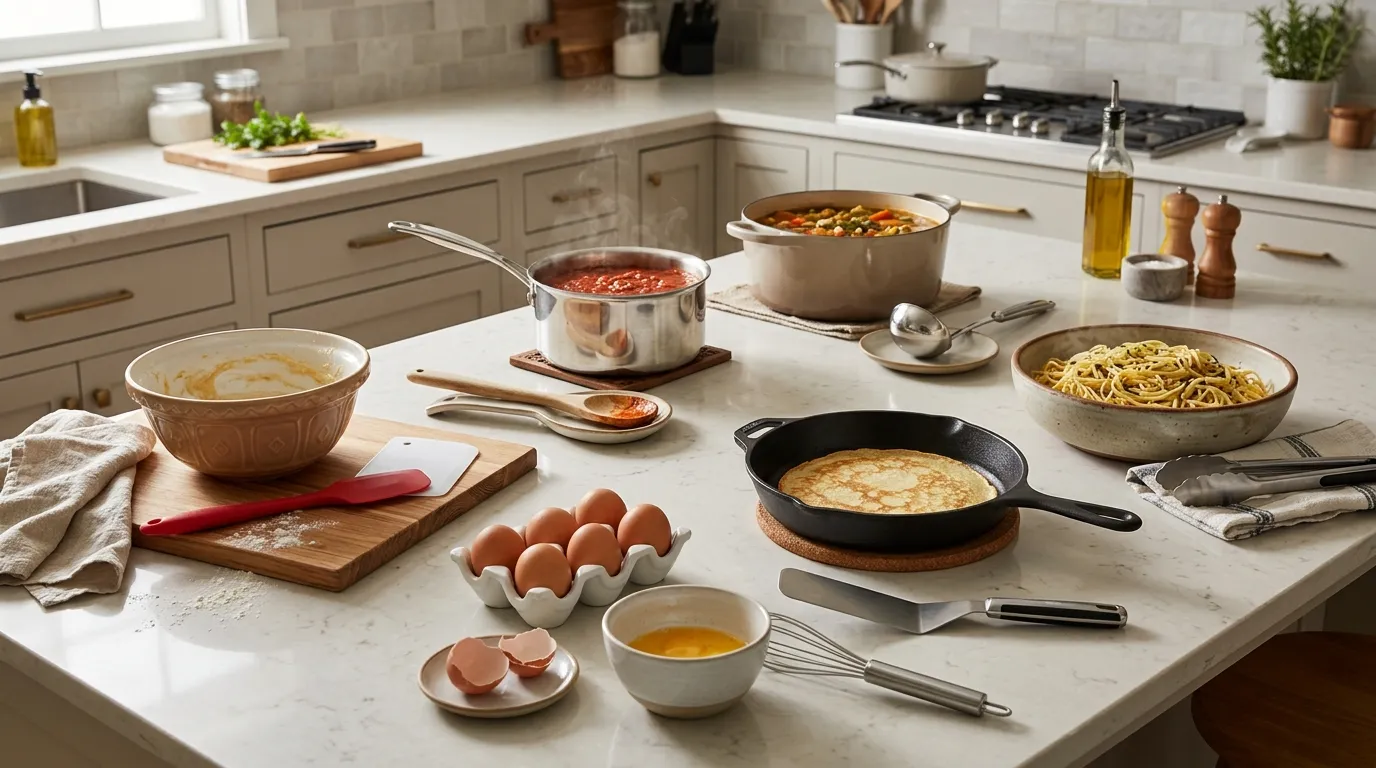
Different cooking jobs need different shapes. A spoon may stir soup well but fail when you flip fish. Matching the tool to the task makes cooking smoother.
Stirring sauces and soups
Use a wooden spoon or silicone spoon. A flat edge helps scrape the bottom of the pot, where sauces can settle and burn.
For thick sauces, choose a strong handle. A thin handle may bend or feel uncomfortable after a few minutes.
Flipping delicate foods
Use a thin, flexible turner. Silicone is gentle, while stainless steel gives more control in uncoated pans.
Slide the turner fully under the food before lifting. This simple habit reduces broken eggs, torn fish, and split pancakes.
Cooking pasta
Use tongs for long pasta and a slotted spoon for short pasta. A pasta fork can help lift spaghetti, but tongs often provide better control.
Save a cup of pasta water before draining. The starchy water can help loosen and thicken sauces.
Sautéing vegetables
Use a wooden spoon, silicone spatula, or tongs. Tongs are useful for larger vegetables, while a spatula works well for small pieces.
Choose a tool with enough surface area to move food quickly. Overcrowded vegetables may steam instead of browning.
Baking and mixing
Use silicone spatulas, whisks, measuring spoons, and measuring cups. A bowl scraper helps remove batter and dough from the sides of the bowl.
For flour, use the spoon and level method unless the recipe gives weight measurements. Scooping flour directly with a cup can add too much and make baked goods dense.
Serving meals
Use ladles, slotted spoons, serving spoons, and tongs. Choose utensils with enough length for deep bowls and large pots.
A serving tool should feel stable when full. A weak handle can bend or cause hot food to spill.
Utensil Safety, Cleaning, and Storage
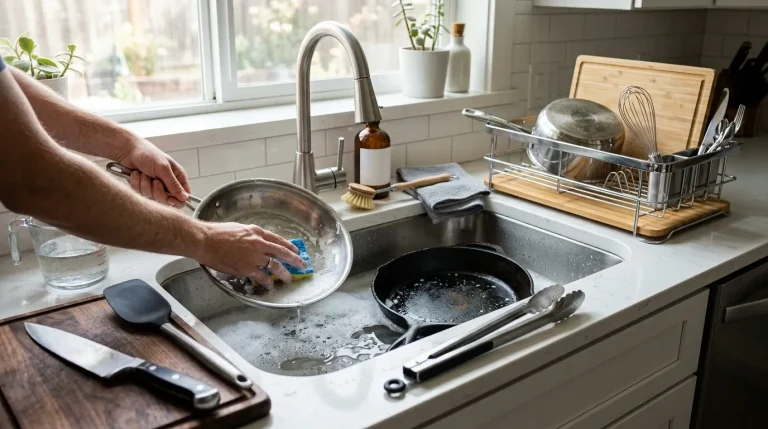
Clean utensils help reduce foodborne illness. The best utensils for daily cooking tasks should be easy to wash and dry completely.
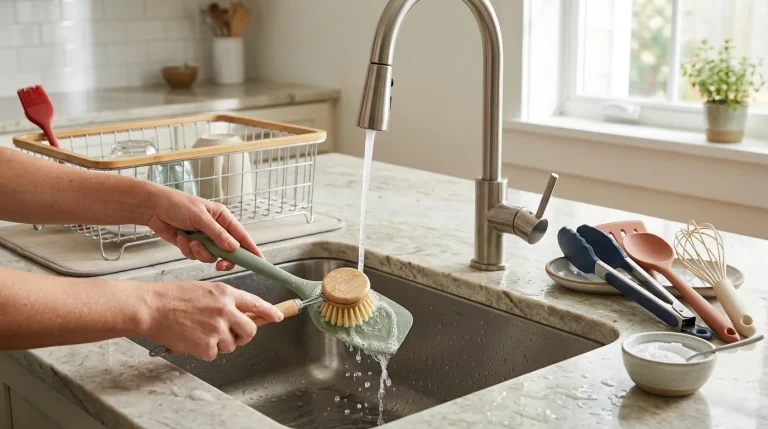
The USDA advises washing kitchen tools with hot, soapy water after use, especially after contact with raw meat, poultry, seafood, and eggs. Do not use the same utensil for raw and cooked food unless it has been washed first.
Follow these care habits:
• Wash tools soon after cooking
• Use separate tools for raw and ready to eat foods when possible
• Dry utensils before placing them in drawers
• Inspect silicone for cuts or sticky surfaces
• Replace wood with deep cracks or rough splinters
• Keep knife edges away from soft utensil heads
• Do not leave tools in hot pans
• Follow the product instructions for dishwasher use
A clean utensil is not always a safe utensil if it has deep damage. Cracks and rough seams can hold food particles and are hard to clean. When a tool looks worn, replacement is usually wiser than trying to extend its life.
How to Choose Quality Utensils on a Budget
You can build a strong kitchen utensil set without buying premium tools. Start with the items you use most, then add specialty tools as your cooking habits grow.
A practical starter set includes:
- One silicone spatula
- One wooden spoon
- One slotted turner
- One pair of tongs
- One ladle
- One whisk
- One set of measuring cups and spoons
- One instant read thermometer
Before buying, check the handle, head, seams, and heat rating. Hold the tool if possible. It should feel balanced and comfortable, not sharp, loose, or overly heavy.
In my own kitchen testing, the cheapest tools often failed at the handle joint first. I learned that paying a little more for a one piece design usually offered better value than replacing several weak tools.
Avoid large utensil sets that contain many items you will rarely use. A small set of durable tools gives you more drawer space, fewer cleaning problems, and better control while cooking.
Common Mistakes to Avoid
Even good utensils can cause problems when used in the wrong way. These common mistakes are easy to prevent.
Using metal on nonstick pans
Metal edges can scratch coated cookware. Use silicone, wood, or nylon tools instead.
Leaving utensils in hot cookware
Heat can damage nylon, discolor silicone, and heat metal handles. Place tools on a spoon rest between uses.
Buying tools with deep seams
Seams can collect food and moisture. Choose smooth, sealed joints when possible.
Ignoring heat ratings
A utensil may look heat resistant but still have a handle or coating with a lower limit. Check the package or manufacturer’s instructions.
Storing wet wooden tools
Moisture can encourage odors, mold, and cracking. Dry wooden utensils fully before storing them.
Using one tool for raw and cooked food
This can spread harmful bacteria. Use separate utensils or wash the tool thoroughly between tasks.
Choosing style over function
Bright colors and unusual shapes can be attractive, but comfort and durability matter more. A plain tool that works well will earn its place in your kitchen.

Source: pacificstreetpizza.com
A Simple Daily Cooking Utensil Setup
For most households, the best utensils for daily cooking tasks can fit into one holder or drawer section. Keep the tools you use every day within easy reach.
A simple setup might include:
• Silicone spatula for scraping and folding
• Wooden spoon for stirring
• Slotted turner for flipping
• Tongs for lifting and turning
• Ladle for soups and sauces
• Whisk for eggs and dressings
• Slotted spoon for draining
• Measuring tools for recipes
• Thermometer for food safety
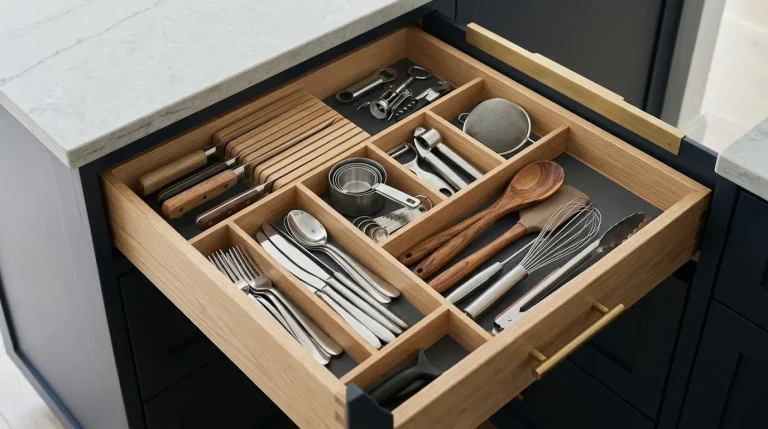
Keep delicate silicone heads away from sharp objects. Store long tools upright or in a divided drawer so they do not bend. If several people cook in your home, label or group tools by task to make cleanup easier.
This setup is flexible. Someone who mostly cooks pasta may need extra tongs and a colander. Someone who bakes may need more measuring tools and bowl scrapers. The best utensils for daily cooking tasks should reflect your real routine, not an idealized kitchen.
Frequently Asked Questions About the Best Utensils for Daily Cooking Tasks
What are the most useful kitchen utensils for everyday cooking?
A silicone spatula, wooden spoon, tongs, slotted turner, ladle, whisk, measuring tools, and instant read thermometer cover most daily needs. Add specialty tools based on the meals you cook often.
Are silicone utensils better than wooden utensils?
Neither is best for every task. Silicone is flexible, easy to clean, and gentle on coated cookware, while wood is sturdy, comfortable, and useful for stirring thick foods.
Can you use metal utensils in nonstick pans?
It is safer to avoid metal utensils in nonstick pans because sharp edges may scratch the coating. Choose silicone, wood, or nylon tools unless the cookware maker specifically approves metal use.
Which utensil material is safest for cooking?
Food grade silicone, stainless steel, untreated hardwood, and quality nylon can all be safe when made for cooking and used within their heat limits. Safety also depends on cleaning, storage, and replacing damaged tools.
How often should kitchen utensils be replaced?
Replace utensils when they crack, melt, warp, split, become sticky, or develop loose joints. A tool that cannot be cleaned well should not remain in regular use.
Are wooden utensils dishwasher safe?
Some wooden utensils may be labeled dishwasher safe, but hand washing usually helps them last longer. Dry them quickly and avoid soaking them for extended periods.
What utensils should beginners buy first?
Beginners can start with a silicone spatula, wooden spoon, tongs, slotted turner, ladle, whisk, measuring set, and thermometer. This small group supports cooking on the stovetop, baking, and basic food safety.
Conclusion
The best utensils for daily cooking tasks are not always the most expensive or most stylish. The best choices are strong, comfortable, easy to clean, safe for your cookware, and suited to the meals you prepare.
Start with a small set of silicone, wood, stainless steel, or nylon tools. Match each utensil to your pans, follow safe cleaning habits, and replace damaged pieces promptly. With the right tools close at hand, everyday cooking becomes simpler and more enjoyable.
Review your kitchen drawer today and remove tools that are cracked, loose, or rarely useful. Then choose one dependable utensil to fill the biggest gap, and share your favorite kitchen tool in the comments.