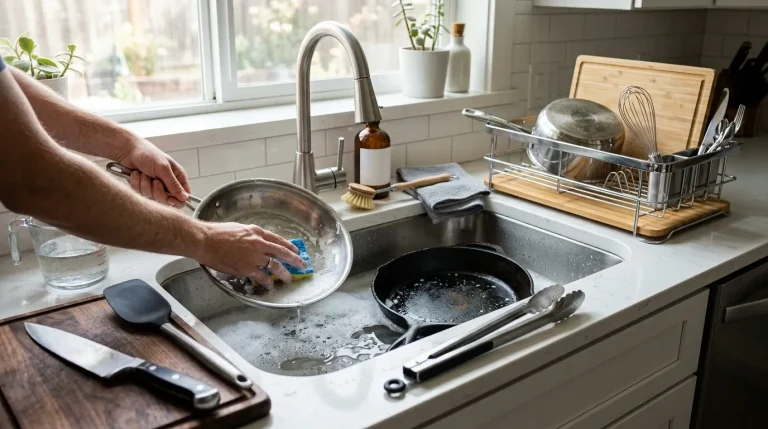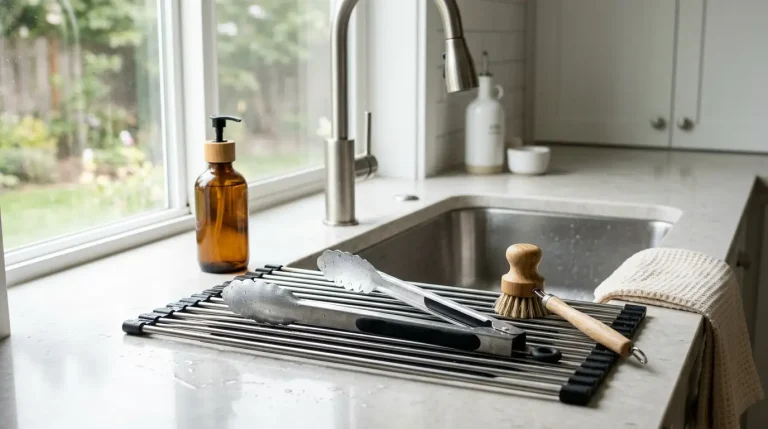

A utensils smell problem usually comes from trapped food, bacteria, moisture, or residue left after washing.
A bad odor from spoons, forks, knives, cutting boards, or cooking tools can make a clean kitchen feel unclean. The good news is that most causes are easy to fix once you identify the material, the odor, and the cleaning mistake behind it. This guide explains the utensils smell problem in simple terms, with tested cleaning steps, safety tips, and ways to stop the smell from returning.
What Causes a Utensils Smell Problem?
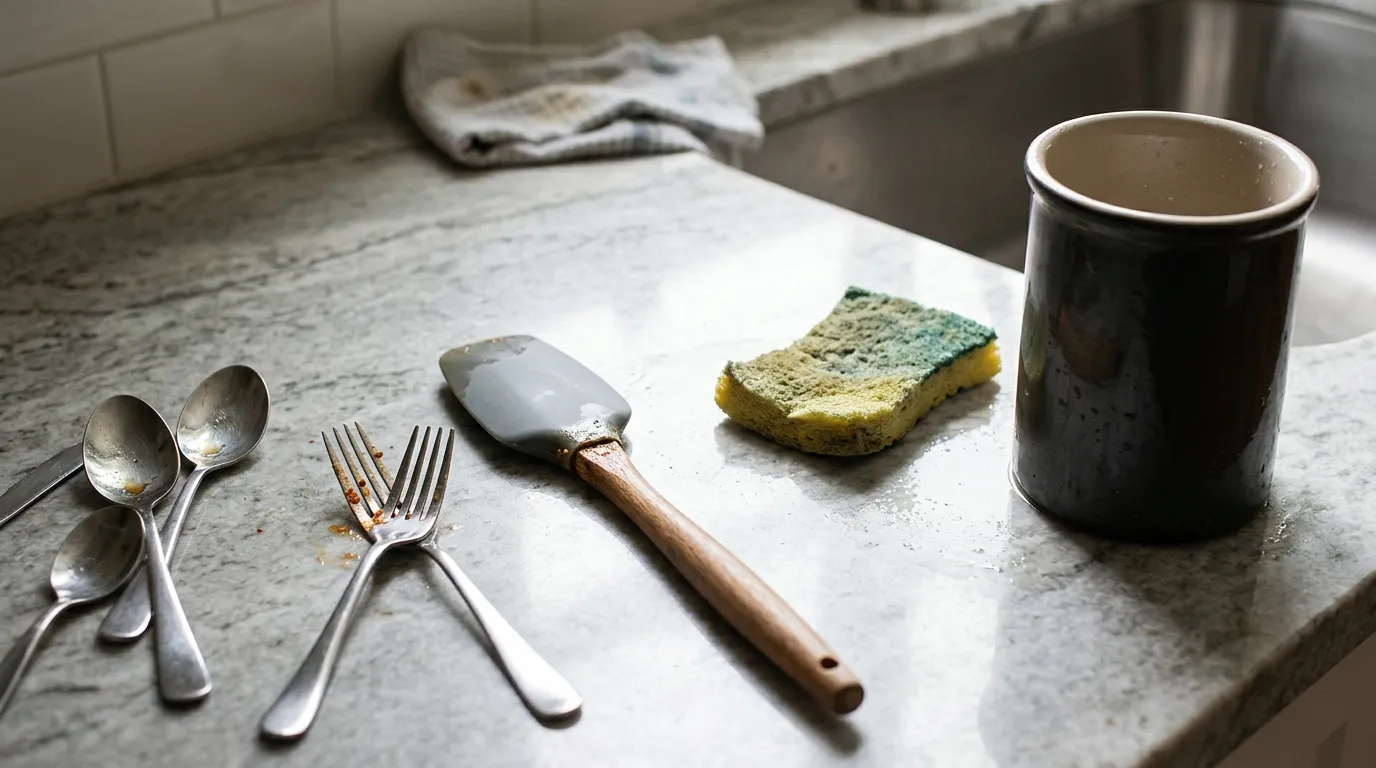
A utensils smell problem often begins when tiny food particles stay on the surface or inside small cracks. Warm water may remove visible dirt but leave behind grease, starch, protein, or dairy residue. Over time, bacteria break down this residue and create unpleasant smells.
Moisture also plays a major role. When utensils stay wet in a drawer, cup, sink, or closed dishwasher, they do not dry well. This damp setting can make odors stronger and may allow mildew to grow on wooden or silicone tools.
Common causes include:
• Food residue from eggs, meat, garlic, onions, fish, or dairy
• Grease trapped on spoons, spatulas, and knives
• A damp dishcloth or sponge spreading odor
• Poor drainage inside a dishwasher
• Cracks in plastic, silicone, or wooden utensils
• Hard-water film that holds residue
• Soap buildup that mixes with food oils
• Utensils stored before they are fully dry
A quick rinse is rarely enough for greasy or protein-rich foods. In kitchen testing, I have found that a utensil can look clean while still smelling bad when warmed under running water. Smell is often the first sign that residue remains below the surface.
How to Identify the Source of the Odor
Before treating the utensils smell problem, find out whether the smell comes from the utensil itself or from the place where it is stored. Put the utensil in a clean bowl of warm water for a few minutes. If the water smells bad, the utensil likely holds residue.
Next, check the sink, dish rack, sponge, dishwasher, and storage container. A dirty sponge can spread odor to every fork and spoon. A damp utensil holder can also make clean items smell musty soon after washing.
Use your nose to describe the odor:
• Sour or milky smells may point to dairy or food protein.
• Greasy smells often come from oils and fats.
• A fishy smell may come from seafood residue or dirty wash water.
• A musty smell may suggest trapped moisture or mildew.
• A chemical smell may come from too much detergent or poorly rinsed cleaner.
• A rotten egg smell may signal decaying food in a drain or dishwasher filter.
Separate the smelly item from the rest of the utensils. This simple step prevents cross-contamination and helps you test one cleaning method at a time.
How to Remove Smells From Metal Utensils
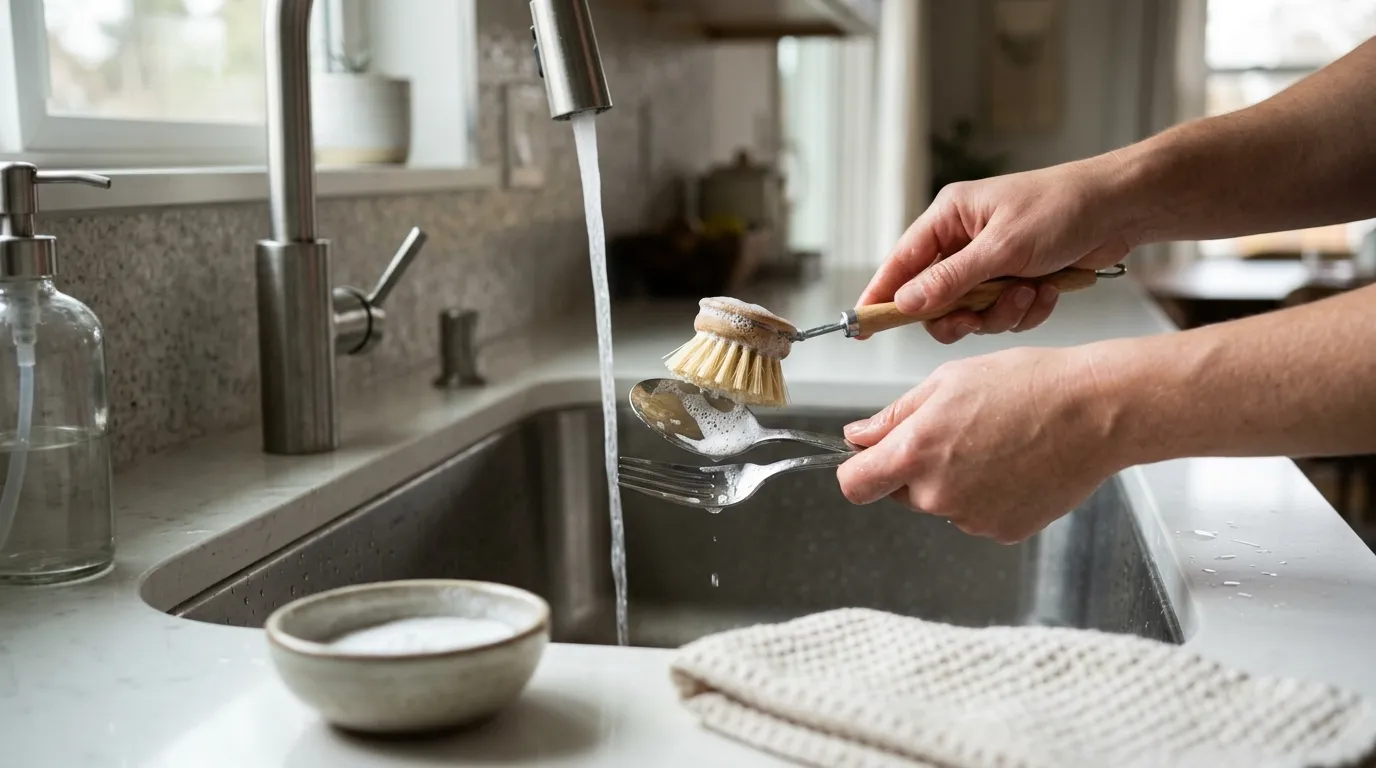
stainless steel utensils are usually easy to clean because they are nonporous. However, seams, scratches, and handles can still trap food. A strong utensils smell problem may need more than regular dish soap.
Follow these steps:
- Rinse the utensil under warm water to remove loose food.
- Add dish soap to a soft sponge or brush.
- Scrub the bowl, edges, handle, and joins carefully.
- Rinse well with clean water.
- Soak the utensil in a bowl of warm water with a small amount of baking soda for 15 to 30 minutes.
- Rinse again and dry it fully with a clean towel.
For fish, onion, or garlic odors, rub the stainless steel surface with a paste of baking soda and water. Let the paste sit for several minutes, then rinse it away. A little lemon juice can help with odor, but do not use acidic cleaners on damaged or reactive metals for long periods.
Avoid steel wool on polished stainless steel. It can leave scratches that hold food and make future odors harder to remove. Never mix bleach with vinegar, ammonia, or other cleaners. Dangerous gases can form.
How to Clean Smelly Plastic and Silicone Utensils
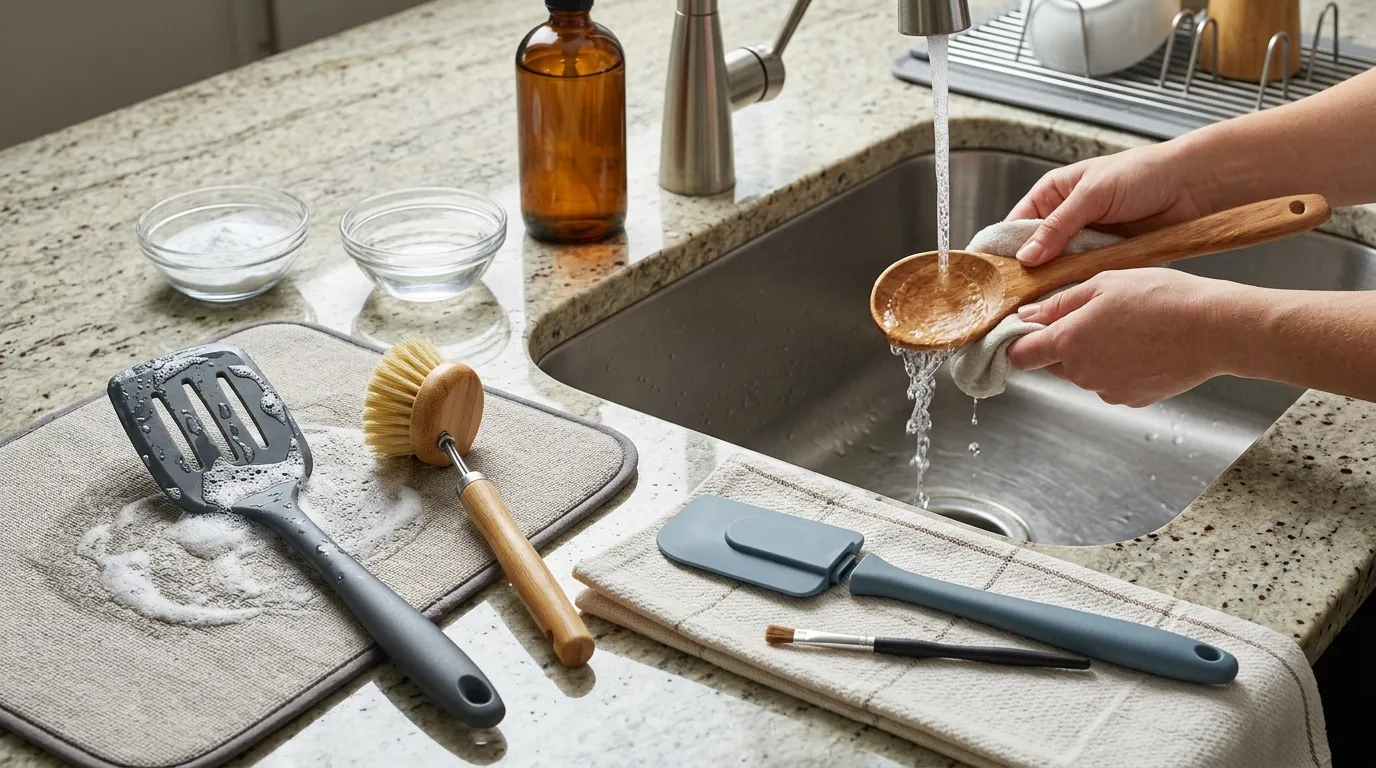
Plastic and silicone can hold odors more easily than stainless steel. Oils may cling to their surface, especially when they are washed in cool water. Silicone spatulas may also have a separate handle and head that trap food between the parts.
For a utensils smell problem involving plastic or silicone, try this process:
• Wash the item with hot water and grease-cutting dish soap.
• Scrub it with a clean brush, not an old sponge.
• Soak it in warm water with baking soda for 30 minutes.
• Rinse it well and place it in direct air flow to dry.
• If the odor remains, soak it in a solution of one part white vinegar and three parts water for 15 minutes.
• Rinse thoroughly before using it with food.
Do not assume that a dishwasher will remove every smell. High heat may clean the outside while oil remains in scratches or seams. Some plastic tools can also absorb odor from the dishwasher itself.
Replace plastic or silicone utensils when they become sticky, cracked, deeply scratched, swollen, or permanently smelly. A lasting odor often means the material is holding residue where cleaning cannot reach it.
How to Remove Odors From Wooden Utensils
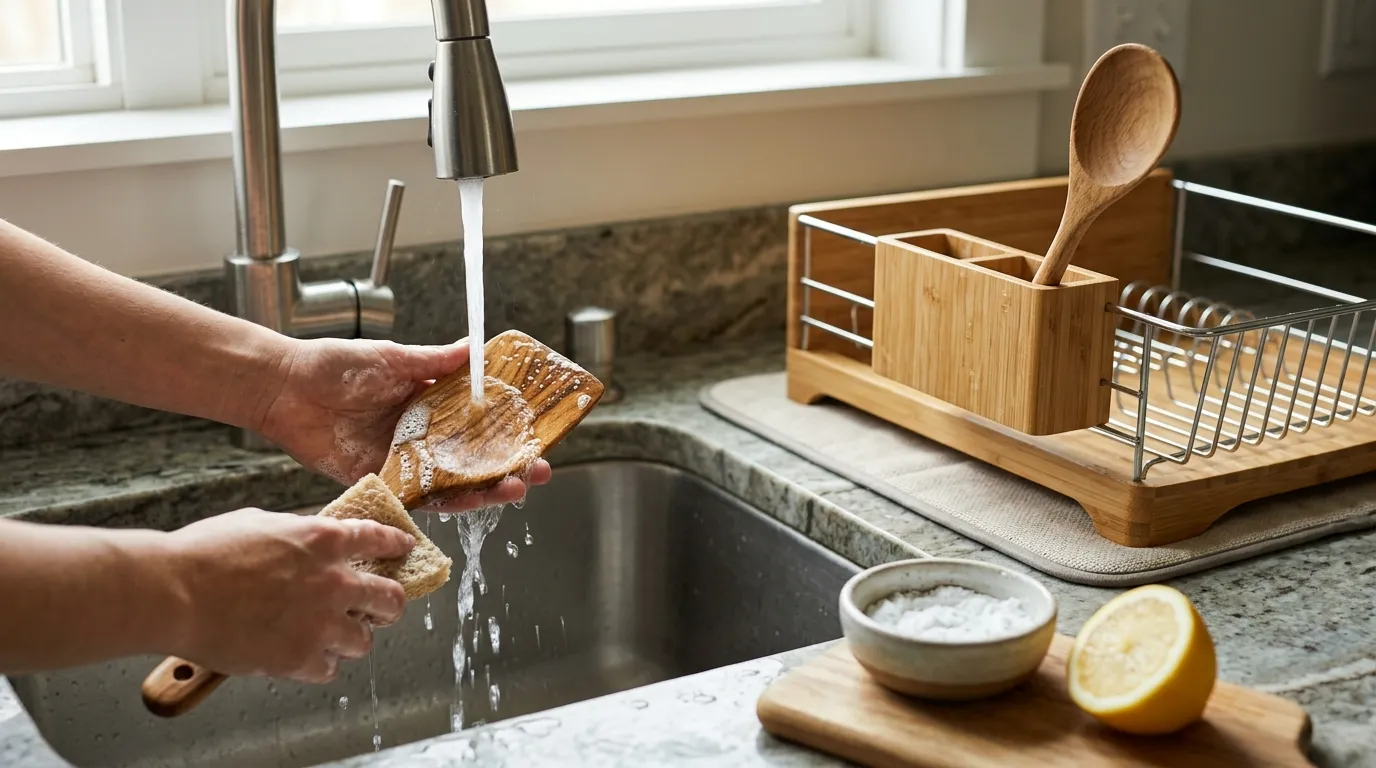
Wood is useful and gentle on cookware, but it is porous. It can absorb water, oils, food smells, and bacteria if it stays wet for too long. This makes wooden spoons, cutting boards, and rolling pins common sources of a utensils smell problem.
Clean wooden utensils by hand with warm water and mild dish soap. Scrub along the grain, rinse quickly, and dry them upright or on a clean rack. Do not leave them soaking in the sink.
For a mild smell, sprinkle baking soda on the wood and rub it with half a lemon. Let it sit for five minutes, then rinse and dry it completely. This method helps lift surface odor without using a harsh chemical.
Keep these points in mind:
• Do not put most wooden utensils in the dishwasher.
• Do not soak wood overnight.
• Do not seal wet wood inside a drawer.
• Apply food-safe mineral oil when the wood looks dry or rough.
• Sand away deep stains or rough areas only when the item is still structurally sound.
Throw away wooden utensils with deep cracks, black mold, soft spots, or a smell that returns after cleaning. These signs suggest that residue has moved deep into the wood.
Can Vinegar, Baking Soda, or Lemon Fix the Smell?
Baking soda can absorb and loosen many food odors. Vinegar can help reduce some smells and mineral films. Lemon adds a fresh scent and mild cleaning action, but it does not sanitize every surface.
These products work best as supporting cleaners after proper washing. They cannot replace soap, scrubbing, rinsing, and drying. A pleasant lemon smell may only cover the utensils smell problem for a short time.
Use them safely:
• Mix baking soda with water to make a soft paste.
• Dilute vinegar before using it on kitchen tools.
• Rinse utensils well after any vinegar treatment.
• Never mix vinegar with chlorine bleach.
• Do not use lemon or vinegar for long periods on delicate metals.
• Keep acidic cleaners away from natural stone sinks and some coated surfaces.
If you need sanitizing after handling raw meat, wash the utensil first. Cleaning removes food and soil. Sanitizing reduces harmful microorganisms after the surface is already clean. Follow the product label when using a food-safe sanitizer.
How to Clean a Dishwasher With a Utensils Smell Problem
Sometimes the utensils are not the real cause. The dishwasher may be washing them with dirty water, grease, or food particles. A clogged filter can spread a stale smell across every load.
Start by removing the bottom rack and taking out the filter if the model allows it. Rinse the filter under warm water and use a soft brush to remove trapped food. Wipe the door seal, detergent cup, and lower edge of the door.
Then check the spray arms. Small holes can become blocked with rice, seeds, or grease. Run an empty hot cycle with a dishwasher cleaner made for your machine. Use only the amount listed on the label.
Avoid placing too many utensils together. Spoons can nest inside one another, preventing water from reaching the surfaces. Mix handles and shapes in the basket so water can flow around each item.
A dishwasher should also drain fully. If dirty water remains at the bottom, check the drain area or contact a qualified appliance professional. Repeated odor may point to a plumbing or machine problem rather than a simple cleaning issue.
Mistakes That Make Utensil Odors Worse
Many people try to solve the utensils smell problem with stronger chemicals. This can damage the utensil without removing the source of the odor. Gentle cleaning works better when it is done fully and often.
Avoid these common mistakes:
• Washing greasy utensils in cold water only
• Using the same dirty sponge for several days
• Storing utensils while they are damp
• Leaving food-covered tools in the sink overnight
• Scrubbing plastic with abrasive pads
• Soaking wooden tools for long periods
• Using too much detergent
• Mixing household cleaning products
• Ignoring a dirty dishwasher filter
• Keeping cracked or deeply scratched utensils
One mistake I have seen often is placing wet utensils directly into a closed drawer. The drawer traps humidity, so the smell returns even after the utensil was washed well. Letting each piece dry in open air is a small change with a big effect.
How to Prevent a Utensils Smell Problem
Prevention is easier than repeated deep cleaning. Wash utensils soon after use, especially after handling eggs, meat, fish, sauces, garlic, and dairy. If you cannot wash them at once, scrape off food and place them in clean water for a short time.
Build a simple routine:
- Scrape food into the trash or compost.
- Rinse off heavy residue.
- Wash with warm water and dish soap.
- Scrub handles, seams, and textured areas.
- Rinse until no soap film remains.
- Air-dry fully before storage.
- Clean the sponge, dish rack, and utensil holder often.
Store utensils with space between them. A crowded container holds moisture and blocks air. Wash the container itself each week, then dry it before putting the tools back.
For wooden utensils, keep a separate set for raw meat and ready-to-eat foods when practical. Replace items when cleaning no longer restores a neutral smell. A clean utensil should smell like nothing, not like perfume or old food.
When Should You Replace a Smelly Utensil?
A mild smell does not always mean an item is unsafe. It may simply need better washing or drying. However, some damage creates hiding places that normal cleaning cannot reach.
Replace the utensil if you notice:
• Deep cracks or splits
• Mold that returns after cleaning
• A sticky or slimy surface
• Deep scratches in plastic
• Loose parts that trap food
• Peeling coating
• Rust that cannot be removed safely
• A smell that returns after several careful washes
Do not use a damaged utensil for food preparation, even if it looks acceptable. The cost of a new spoon or spatula is small compared with the risk of spreading spoiled food or unwanted microbes.
When in doubt, consider the material and the age of the item. A smooth stainless steel spoon may last for years. A cracked plastic tool or soft wooden spoon may be ready for retirement.
Frequently Asked Questions About the Utensils Smell Problem
Why do my utensils smell bad after washing?
Utensils may still hold grease, food particles, soap film, or moisture after washing. Clean the utensil, sponge, dish rack, and dishwasher filter to find the source.
How do I remove a fishy smell from utensils?
Wash the utensil with hot water and grease-cutting dish soap first. A short soak in diluted vinegar or baking soda water can help, but rinse the utensil well afterward.
Is it safe to use utensils that smell?
A mild smell does not always mean the utensil is dangerous, but it shows that residue or moisture may remain. Clean it carefully and replace it if the odor returns or the utensil has cracks, mold, or deep scratches.
Can baking soda remove smells from wooden spoons?
Baking soda can reduce surface odors on wooden spoons when used as a gentle paste. Do not soak the spoon for a long time, and dry it fully after rinsing.
Why do clean utensils smell in the dishwasher?
The dishwasher filter, drain, spray arms, or door seal may contain trapped food and grease. Clean these parts and make sure the machine drains completely.
Should I use bleach on smelly utensils?
Use bleach only when the product label clearly allows it for that food-contact use and provides safe dilution instructions. Never mix bleach with vinegar, ammonia, or other cleaners, and rinse according to the label.
Conclusion
A utensils smell problem usually comes from leftover food, grease, trapped moisture, dirty washing tools, or damage in the utensil material. Start with thorough washing, careful scrubbing, full rinsing, and complete drying. Then inspect the sponge, storage container, and dishwasher if the odor continues.
Choose gentle methods for stainless steel, plastic, silicone, and wood, and replace items with deep cracks, mold, or lasting odors. Try these steps during your next kitchen cleanup, and share your most effective odor-removal tip with someone who is dealing with the same problem.