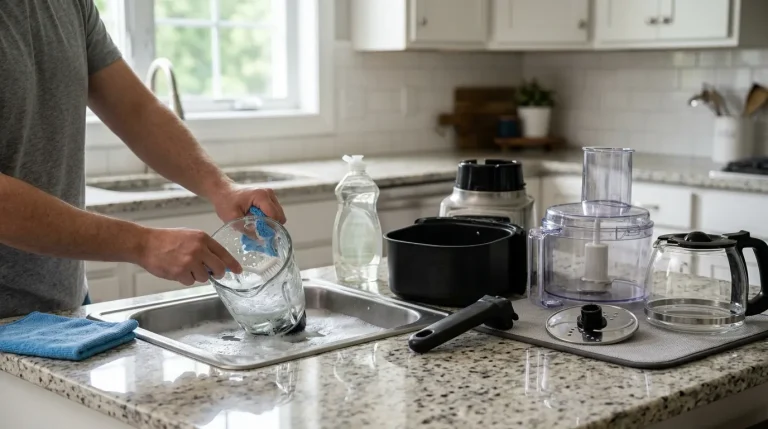
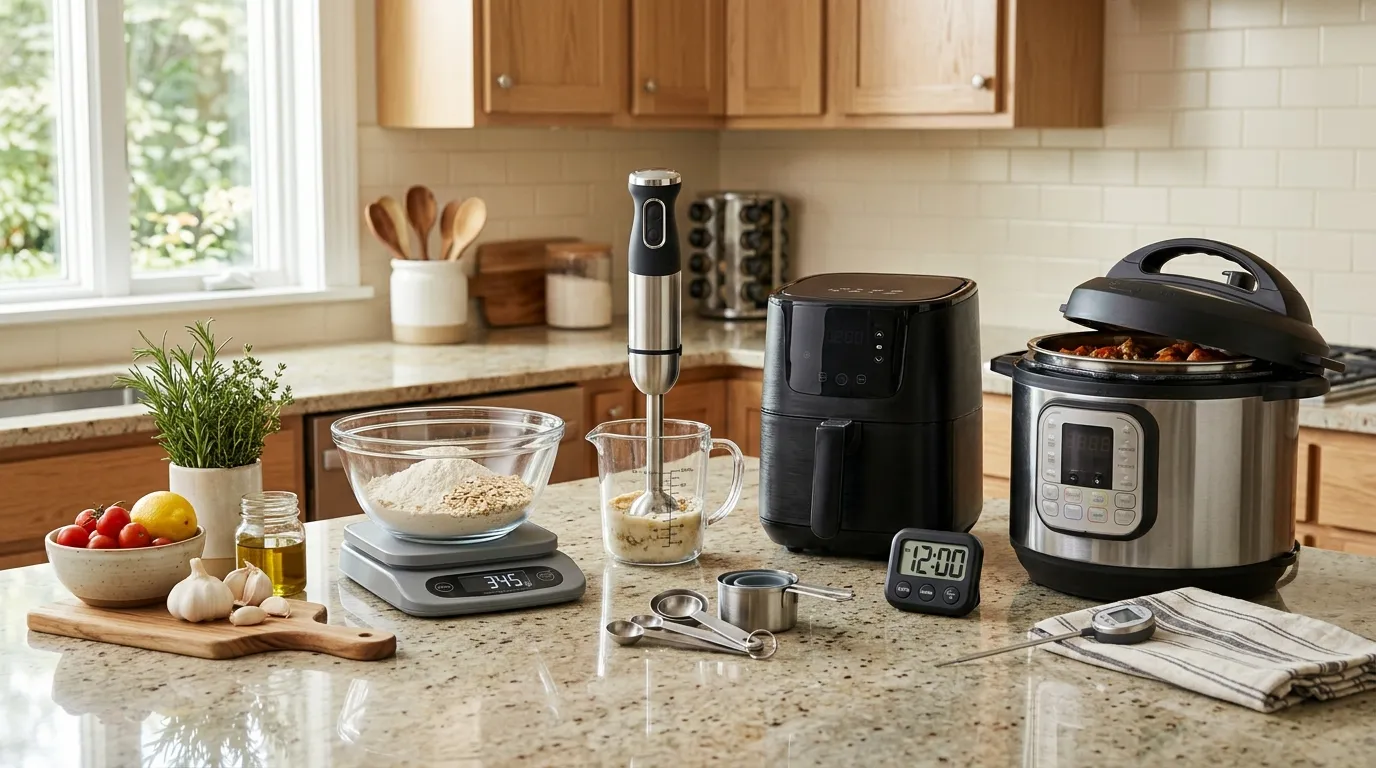
The best gadgets for cooking efficiency save time, reduce mess, and make daily meal prep easier.
The best gadgets for cooking efficiency do more than add convenience. They help you chop, measure, cook, store, and clean with fewer steps. After testing and using many kitchen tools, I have found that the right gadgets are not always the most expensive ones. Smart design, easy cleaning, and reliable results matter far more. This guide explains which tools are worth your counter space, how they improve your workflow, and which features to look for before you buy.
What Makes a Kitchen Gadget Efficient?

An efficient cooking gadget solves a common problem with less time, effort, or waste. It may speed up food prep, cook food more evenly, or reduce the number of dishes you must wash.
The best gadgets for cooking efficiency also fit your habits. A small tool that you use every day can be more valuable than a large appliance that sits in a cabinet.
Look for these key features:
• Simple controls that are easy to understand
• Parts that are dishwasher-safe or easy to rinse
• Strong materials that can handle regular use
• Compact storage or multiple functions
• Safety features, such as auto shutoff or heat protection
• Consistent cooking or cutting results
A useful gadget should feel like a helpful extra hand. If it creates more setup, cleaning, or confusion, it may not improve your kitchen routine.
Best Gadgets for Cooking Efficiency
1. Digital Kitchen Scale
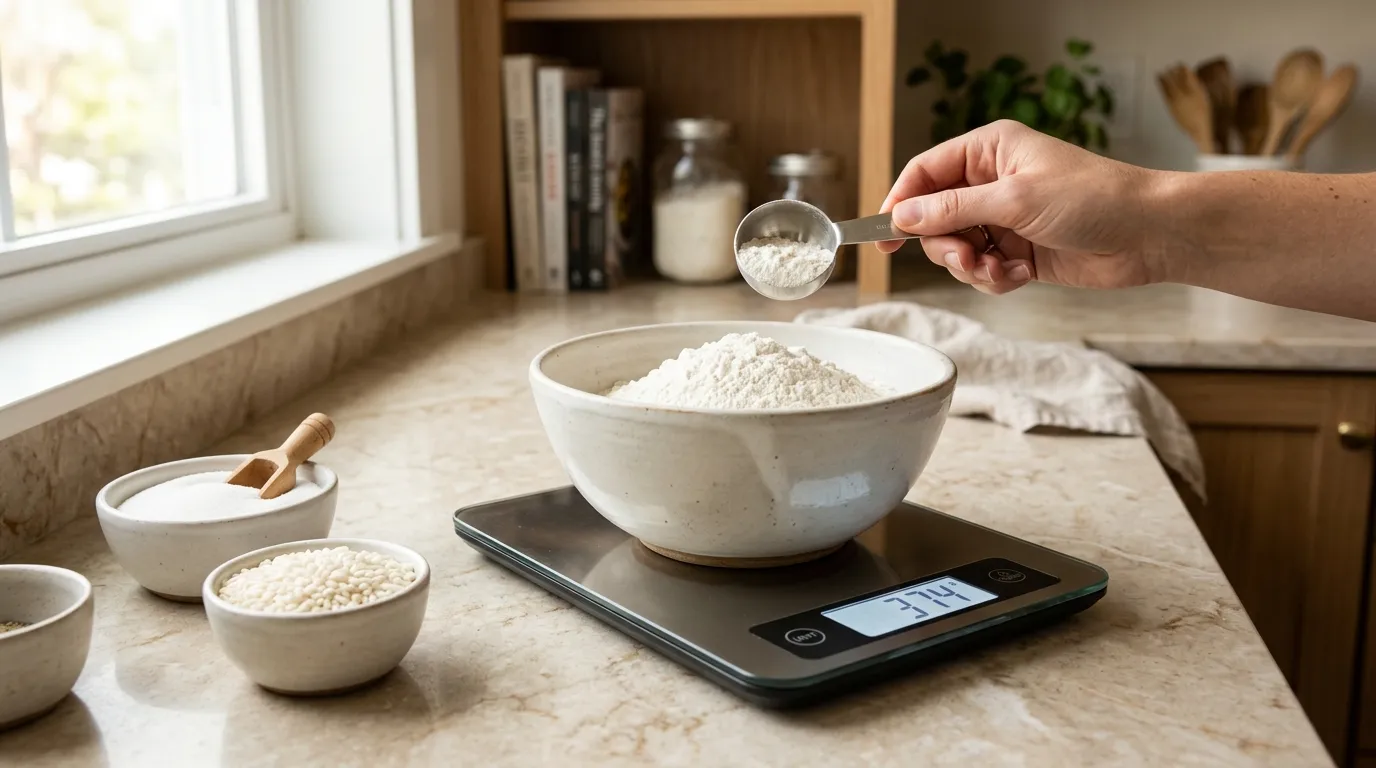
A digital kitchen scale is one of the best gadgets for cooking efficiency because it improves accuracy and reduces dirty dishes. Instead of measuring flour, sugar, rice, or coffee in several cups, you can place one bowl on the scale and add each item by weight.
Weight-based cooking is common in baking because small measurement errors can change the final result. A scale also helps with portion control and meal prep. Many models include a tare button, which resets the display to zero after each ingredient.
Choose a scale with:
• A clear backlit screen
• At least a 10-pound capacity
• Gram and ounce settings
• A flat surface that wipes clean
• A slim design for easy storage
I once made a pizza dough recipe using cups instead of a scale. The dough was too dry, so I added water in small amounts and lost nearly 20 minutes. Since switching to a scale, the same recipe takes less time and gives a more reliable texture.
2. Electric Pressure Cooker
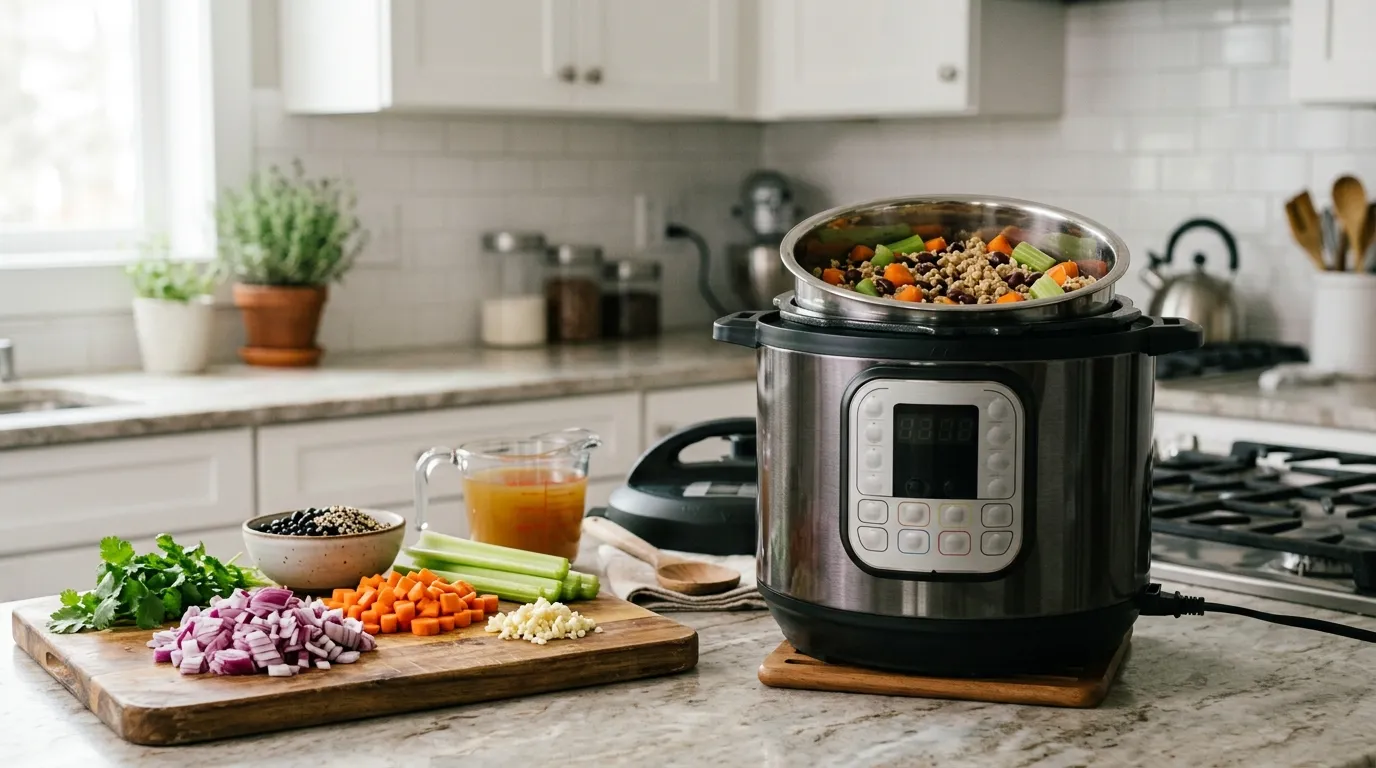
An electric pressure cooker can turn tough meat, dry beans, grains, and stews into tender meals in a short time. It uses sealed steam to raise pressure and increase the cooking temperature.
This appliance is especially useful for busy households. You can sauté onions, add the other ingredients, and cook everything in one pot. Many models also offer slow cooking, steaming, rice cooking, and yogurt settings.
Keep these tips in mind:
• Do not fill the pot above the marked limit
• Add enough liquid for pressure cooking
• Read the release instructions before use
• Clean the sealing ring often
• Allow extra time for pressure to build and release
pressure cooking does not always mean a meal is ready instantly. The total time includes preparation, pressure buildup, cooking, and pressure release. Still, it can greatly reduce hands-on work.
3. Air Fryer
An air fryer cooks food with fast-moving hot air. It can produce a crisp surface with less oil than deep frying. This makes it useful for vegetables, chicken, fish, potatoes, and reheating leftovers.
The best air fryers have a wide basket, simple temperature controls, and removable parts. A wide basket lets food spread into one layer, which supports better browning.
For better results:
• Preheat when the manual recommends it
• Avoid filling the basket too much
• Shake or turn food during cooking
• Dry wet foods before adding oil
• Clean the basket after each use
In my experience, the air fryer is most efficient for small portions. A full oven may be better for a large family meal, but the air fryer wins when I need crisp food for one or two people.
4. Immersion Blender
An immersion blender is a handheld tool that blends food directly in a pot, bowl, or measuring cup. It is ideal for soups, sauces, smoothies, baby food, and dips.
Unlike a countertop blender, it does not require you to transfer hot food. That reduces spills and saves cleanup time. It also takes up less storage space.
Use care when blending hot soup. Keep the blade fully covered, start at a low speed, and avoid lifting the blender while it is running. Some models include whisk and chopper attachments, which add more value.
5. Food Processor
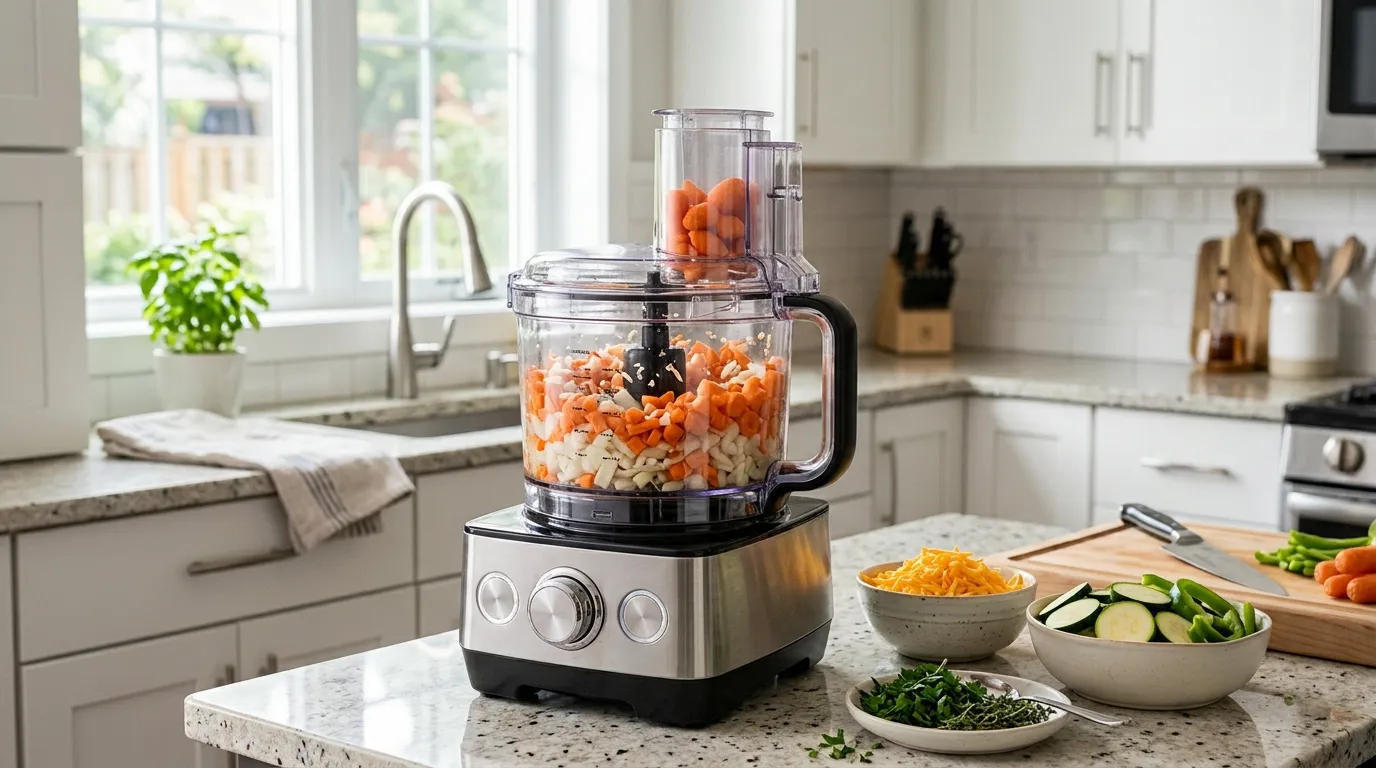
A food processor can chop, slice, shred, grate, mix, and puree. It is one of the best gadgets for cooking efficiency when you prepare large batches or cook from fresh ingredients often.
It can quickly handle tasks such as:
• Chopping onions and carrots
• Shredding cheese
• Slicing potatoes
• Making pesto and hummus
• Mixing pie dough
• Preparing homemade salsa
A food processor may be too large for a person who cooks simple meals. It also has several parts to wash. Before buying one, consider whether you will use its main functions at least once a week.
6. Vegetable Chopper
A manual vegetable chopper speeds up small prep tasks without using electricity. It usually has a container and a sharp cutting mechanism that works when you press or pull a handle.
This gadget is useful for onions, peppers, garlic, herbs, and other soft vegetables. It can also help people who find knife work tiring or uncomfortable.
However, a chopper does not always create an even dice. You may need to cut large vegetables into smaller pieces first. Keep the blades sharp and handle them with care during washing.
7. Instant-Read Thermometer
An instant-read thermometer helps you cook meat, fish, bread, candy, and oil with greater accuracy. It removes guesswork from the phrase “cook until done.”
The United States Department of Agriculture recommends checking the internal temperature of meat and poultry with a food thermometer. Color and texture alone cannot always show whether food is safe.
A reliable thermometer should have:
• A fast reading within a few seconds
• A thin probe
• An easy-to-read display
• A wide temperature range
• Water resistance for simple cleaning
For example, poultry should reach 165°F in the thickest part. Always follow current food safety guidance and measure away from bones for a more accurate reading.
8. Smart Meat Thermometer
A smart meat thermometer uses one or more probes to track food temperature during cooking. Some models connect to a phone and send alerts when food reaches the target temperature.
This tool is helpful for roasts, whole chickens, brisket, and grilled foods. It lets you monitor cooking without opening the oven or grill again and again.
A smart thermometer may be more than you need for quick meals. It is most useful for long cooking sessions, outdoor cooking, or recipes where temperature control matters.
9. Digital Measuring Spoons and Cups
Digital measuring tools combine traditional measuring with a built-in scale. They can measure small amounts of ingredients such as spices, yeast, oil, and baking powder.
They are useful when a recipe calls for a small amount by weight. They also help reduce the number of cups and spoons used during prep.
These tools can cost more than standard measuring sets. For most home cooks, a regular digital scale plus basic measuring spoons may offer better value.
10. Electric Food Chopper
An electric food chopper offers more power than a manual chopper but takes up less space than a full food processor. It works well for onions, herbs, nuts, sauces, and small batches.
Choose a model with a removable bowl and blade. A clear bowl helps you see the texture as you work. Pulse controls are useful because they give you more control and help prevent mushy food.
One mistake I have made is running a small chopper too long. It turned fresh vegetables into paste. Short pulses give a better cut and protect the texture of the food.
11. Rice Cooker
A rice cooker makes consistent rice with little attention. Many models can also cook quinoa, oats, steamed vegetables, and other grains.
The main benefit is hands-free cooking. You add the ingredients, press a button, and focus on the rest of the meal. A keep-warm setting can also help when dinner times vary.
Rice cookers work best when you follow the water ratio for the specific grain. Rinsing rice can remove extra surface starch and may improve texture, though the ideal method varies by rice type.
12. Countertop Convection Oven
A countertop convection oven uses a fan to move hot air around food. It can cook faster and brown more evenly than a traditional oven for many small meals.
It is useful for toast, roasted vegetables, baked fish, chicken thighs, and reheating pizza. Since it heats a smaller space, it may use less energy for small portions than a full-size oven. Actual energy use depends on the appliance, cooking time, and local electricity rates.
Measure your counter and check the interior size before buying. Some models are powerful but too small for the meals you usually make.
13. Kitchen Mandoline
A mandoline creates fast, even slices of vegetables and fruit. It can prepare potatoes, cucumbers, carrots, onions, and cabbage in a short time.
The major limitation is safety. The blade is very sharp, so always use the hand guard and avoid rushing. Store the mandoline with its blade protected.
This is one of the best gadgets for cooking efficiency for people who make salads, gratins, homemade chips, or slaws often.
14. Silicone Baking Mats
Silicone baking mats provide a reusable nonstick surface for baking and roasting. They reduce the need for parchment paper and make cleanup easier.
They work well for cookies, roasted vegetables, and pastries. However, they are not ideal for every oven temperature or every broiling task. Always check the product’s heat rating and care instructions.
A silicone mat should lie flat. If it curls or slips, replace it, since uneven contact can affect baking results.
15. Magnetic Measuring Spoons
Magnetic measuring spoons stay together when stored. Many have narrow ends that fit into spice jars, which makes them faster to use than wide spoons.
They are small, affordable, and easy to replace. Some sets show both standard and metric measurements, which is helpful when following recipes from different countries.
The magnets may attract crumbs or weaken over time. Wash and dry the spoons well to prevent residue around the magnetic points.
16. Kitchen Timer
A kitchen timer is a simple gadget, but it prevents many cooking mistakes. A timer helps you manage several dishes and reduces the risk of burned food.
A model with large buttons and a loud alarm is best. Magnetic backs or stands make placement easy.
Phone timers work well, but a separate kitchen timer keeps cooking alerts away from calls, messages, and other distractions.
How These Gadgets Improve Cooking Workflow
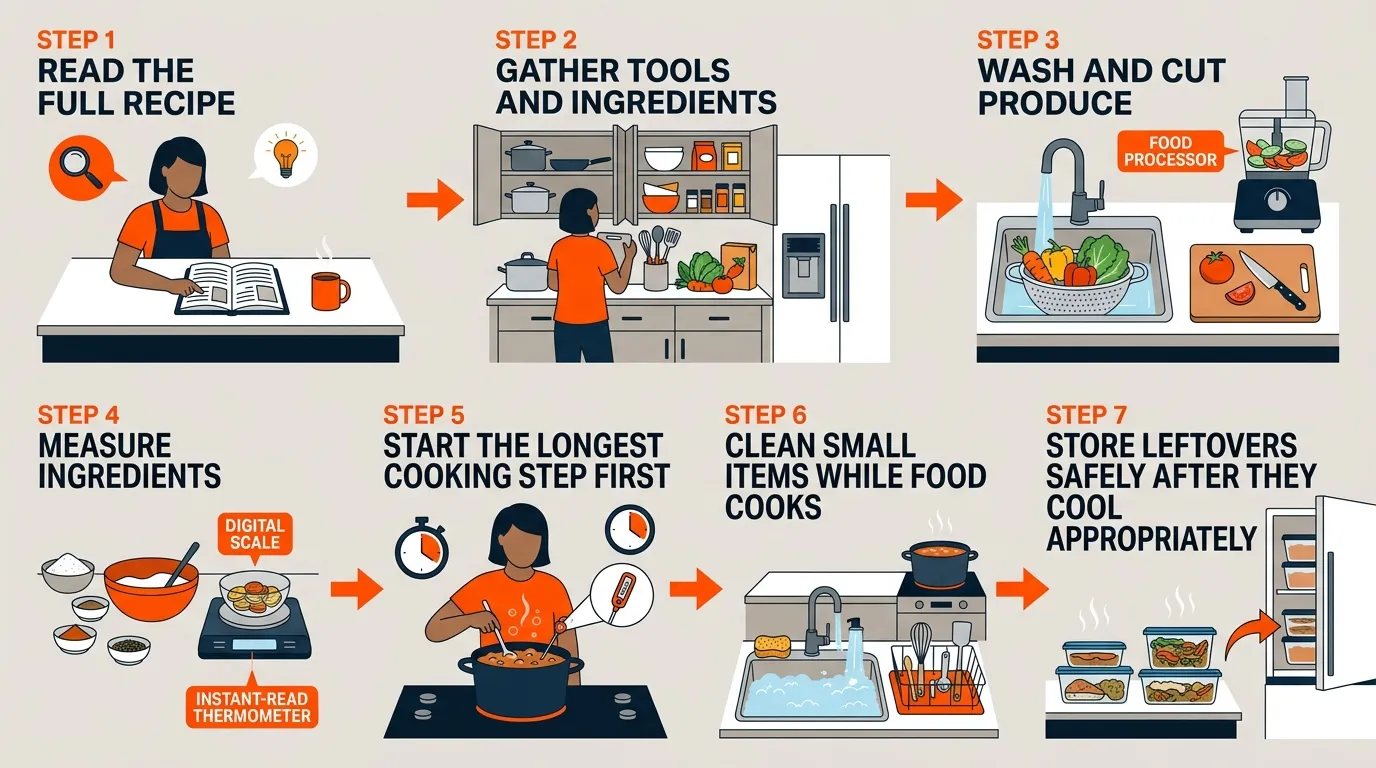
The best gadgets for cooking efficiency work as part of a system. They should support a smooth path from planning to cleanup.
Try organizing your cooking process in this order:
- Read the full recipe before starting.
- Gather tools and ingredients.
- Wash and cut produce.
- Measure ingredients.
- Start the longest cooking step first.
- Clean small items while food cooks.
- Store leftovers as soon as they cool safely.
For example, a digital scale supports accurate measuring. A food processor speeds up chopping. An instant-read thermometer confirms doneness. Together, these tools remove delays at different points in the same meal.
Avoid buying gadgets without a clear role. A crowded drawer can slow you down because you spend time searching for the right tool. Efficiency comes from fewer steps, not simply from owning more equipment.
Best Gadgets for Cooking Efficiency on a Budget
You do not need to buy every appliance at once. Start with tools that solve your most common problems.
A practical low-cost starter set may include:
• Digital kitchen scale
• Instant-read thermometer
• Kitchen timer
• Immersion blender
• Manual vegetable chopper
• Magnetic measuring spoons
• Silicone spatula
• Reusable food storage containers
If you bake often, choose the scale first. If you cook soups and sauces, choose an immersion blender. If you prepare meat, poultry, or fish, choose an instant-read thermometer.
The best gadgets for cooking efficiency should earn their place through regular use. A $15 tool used three times a week may offer more value than a $150 appliance used twice a year.
How to Choose the Right Cooking Gadgets
Before buying, ask how often you cook and what slows you down. Think about your kitchen size, storage space, cleaning habits, and budget.
Use this checklist:
• Identify one task that wastes your time.
• Look for a gadget made for that task.
• Read reviews from people with similar cooking needs.
• Check warranty details and replacement parts.
• Confirm that the gadget fits your outlets and cookware.
• Look for clear safety instructions.
• Review the cleaning process before buying.
Do not rely only on star ratings. Read reviews that discuss durability, noise, ease of cleaning, and real use. A gadget may perform well but still frustrate you if its parts are difficult to wash.
Also consider repair and replacement options. A product with available blades, seals, trays, or batteries may last longer than a cheaper product that cannot be repaired.
Common Mistakes That Reduce Cooking Efficiency
Even the best gadgets for cooking efficiency can create problems when used the wrong way. Overloading a food processor, air fryer, or blender is a common mistake.
Overloading prevents even results. It can also strain the motor and increase cooking time. Work in smaller batches when needed.
Other mistakes include:
• Buying single-use tools for rare tasks
• Ignoring the manufacturer’s heat limits
• Using a dull or damaged blade
• Skipping cleaning after each use
• Storing wet parts in closed containers
• Relying on color instead of a thermometer for meat
• Keeping too many duplicate tools
I have learned that cleaning should be part of the cooking plan. If a tool takes five minutes to wash and dry, include that time before deciding it is truly convenient.
Safety and Care Tips for Kitchen Gadgets
Sharp blades, hot steam, electricity, and high temperatures require care. Read the manual before using an unfamiliar appliance, especially a pressure cooker or countertop oven.
Follow these basic rules:
• Unplug appliances before cleaning them.
• Keep cords away from hot surfaces.
• Use oven mitts when handling hot containers.
• Keep fingers behind guards when using slicers.
• Let blades stop before opening a processor.
• Never put non-dishwasher-safe parts in the dishwasher.
• Replace cracked bowls, frayed cords, or damaged seals.
Food safety also matters. Keep raw meat away from ready-to-eat food, wash hands after handling raw ingredients, and refrigerate perishable leftovers promptly. The Food and Drug Administration advises keeping refrigerator temperature at or below 40°F.
Proper care protects both your investment and your health. A clean, well-maintained gadget is more likely to work as designed.
Are Smart Kitchen Gadgets Worth It?
Smart kitchen gadgets can offer timers, temperature alerts, recipe guidance, and remote monitoring. They may help people who cook complex meals or need reminders during busy evenings.
However, smart features can add cost and setup. Some products require an app, Wi-Fi connection, account registration, or regular charging. If the basic cooking function is weak, a smart feature will not fix the problem.
In my view, smart features are worth paying for when they solve a real problem. A wireless thermometer that alerts you while you prepare side dishes can be useful. A connected egg timer may not offer much extra value.
Frequently Asked Questions About the Best Gadgets for Cooking Efficiency
What is the best kitchen gadget for saving time?
A food processor, electric pressure cooker, or air fryer can save significant time, depending on your cooking style. For many homes, an instant-read thermometer and digital scale offer the best low-cost improvements because they reduce guesswork and repeated work.
Which cooking gadget should beginners buy first?
Beginners should start with a digital kitchen scale, instant-read thermometer, kitchen timer, and good chef’s knife. These tools support accuracy, safety, and basic meal preparation without taking up much space.
Are air fryers more efficient than ovens?
Air fryers often cook small portions faster because they heat a smaller space and move hot air around the food. A full-size oven may be more practical for large meals, so the better choice depends on portion size and cooking time.
Do electric pressure cookers really save cooking time?
Electric pressure cookers can shorten the active cooking time for beans, grains, meats, and stews. They still need time to build and release pressure, so the total time may be longer than the programmed cooking time.
What gadget helps with healthy meal preparation?
An air fryer, food processor, digital scale, and steamer can support healthy meal preparation. They make it easier to cook vegetables, control portions, prepare fresh ingredients, and use less added oil.
How can I avoid buying unnecessary kitchen gadgets?
Choose a tool only after identifying a task you repeat often. If a gadget does not save time, improve results, or reduce cleanup, it may not deserve space in your kitchen.
Are expensive kitchen gadgets always better?
No. Price does not guarantee better performance or durability. Check the materials, warranty, cleaning needs, safety features, and user reviews before making a decision.
Conclusion
The best gadgets for cooking efficiency help you do more with fewer steps. Digital scales improve accuracy, pressure cookers reduce hands-on time, air fryers handle small meals quickly, and thermometers make cooking safer and more reliable.
Start with one tool that solves your biggest kitchen problem. Use it often, clean it well, and add new gadgets only when they support your routine. Explore more practical kitchen guides, and share your favorite time-saving cooking gadget in the comments.